
Rambu Solo’ Toraja is one of the most fascinating traditional ceremonies in Indonesia. For international travelers planning to visit Tana Toraja and North Toraja, attending a Rambu Solo’ ceremony offers a rare opportunity to witness the unique culture, ancestral traditions, and social values of the Torajan people.
If you are looking for the Rambu Solo’ Toraja schedule for December 2026 – January 2027, now is the time to start preparing your journey. During this period, a number of traditional funeral ceremonies are expected to take place across Toraja, making it an interesting time for cultural travelers who want to experience authentic Torajan traditions.
December 2026 and January 2027 are particularly worth considering when planning a visit. However, travelers should understand that Rambu Solo’ does not follow a fixed annual festival calendar. Each ceremony is organized by individual families, and its date depends on family decisions, traditional considerations, and local circumstances.
With proper planning and assistance from a local guide, you may have the opportunity to attend one of these remarkable cultural events while exploring the beautiful landscapes and traditional villages of Toraja.
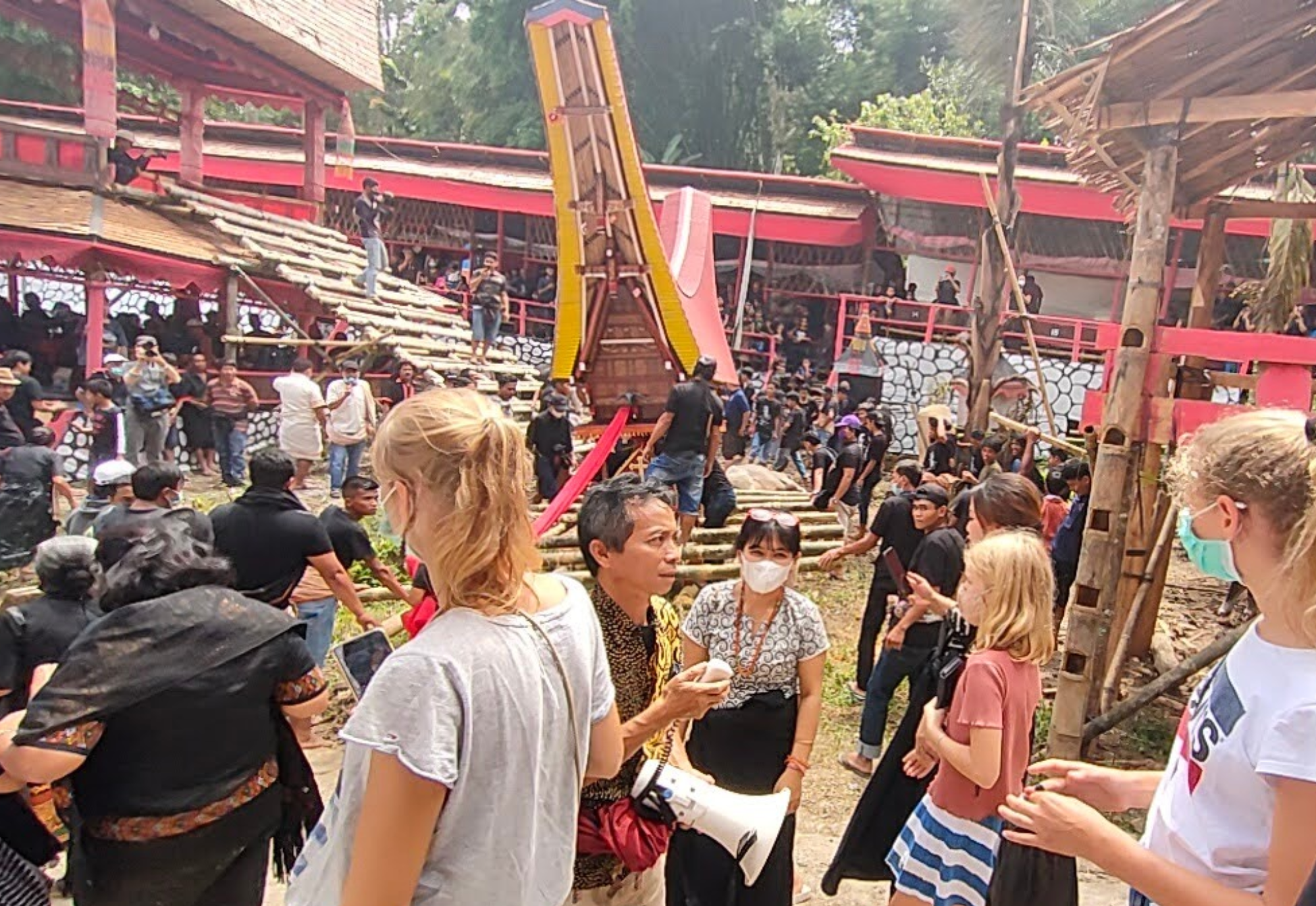
1. Rambu Solo’ Schedule for December 2026 – January 2027
The period from December 2026 to January 2027 is an interesting opportunity for travelers who want to experience Toraja’s cultural traditions. During the Christmas and New Year holidays, many Torajans who live outside their hometown return to their villages to reunite with their extended families.
This period can provide opportunities for families to organize important traditional events, including Rambu Solo’.
Based on the available event information as of November 1, 2026, several ceremonies have already been listed for December 2026.
Here are two examples of published schedules:
| Ceremony | Date | Location |
|---|---|---|
| Rambu Solo’ of the late Ester Tulak (Nenek Lepong) | December 17–22, 2026 | Toraja |
| Rambu Solo’ of the late Yusuf Karurung Patilangi | December 18–23, 2026 | Toraja |
These are individual family ceremonies, not a government-organized festival. Additional schedules may be announced as December approaches.
For January 2027, travelers should check for updated announcements because confirmed dates may become available closer to the ceremonies. You can follow the Toraja Funeral Ceremony Calendar for published event information.
It is important to remember that the dates above are examples of scheduled ceremonies, not a complete calendar of every Rambu Solo’ event in Toraja. Calendar of Events Toraja+1
2. Why Are December and January Interesting Months to Visit Toraja?
Toraja has a strong tradition of family relationships and community cooperation. Many Torajans who work or live in other Indonesian cities and overseas return to their hometown during major holidays.
December is associated with Christmas celebrations, family reunions, and the Lovely December festivities. These occasions can create opportunities for extended families to gather and organize traditional ceremonies.
Rambu Solo’ is not simply a funeral. It is a significant cultural event involving family members, relatives, traditional leaders, and the surrounding community.
For visitors, this period offers an opportunity to learn about Torajan heritage through traditional architecture, music, dances, funeral processions, and community gatherings.
However, visitors should not assume that every village will hold a ceremony during their stay. Each family has its own arrangements, and the timing depends on family agreement, financial preparation, and traditional considerations.
3. What Is Rambu Solo’ in Toraja?
Rambu Solo’ is a traditional Torajan funeral ceremony performed to honor a deceased family member and accompany their spiritual journey according to traditional beliefs.
The ceremony is one of the most important cultural traditions in Tana Toraja and North Toraja, South Sulawesi, Indonesia.
Unlike ordinary funerals, Rambu Solo’ can involve several days of traditional activities. The scale depends on the family’s circumstances, social background, and resources.
In Torajan culture, death is understood as part of a longer process. Traditionally, a deceased person may remain in the family home until relatives are ready to organize the funeral ceremony.
During this period, family members continue to care for the deceased according to their customs. The person may be described traditionally as someone who is still sick rather than someone who has completed the transition of death.
The final ceremony becomes an important moment for the family to gather, express respect, fulfill cultural responsibilities, and celebrate the life of their loved one.
For international travelers, understanding this background is essential. Rambu Solo’ should be approached as a meaningful family and cultural event rather than an ordinary tourist attraction.
4. What Can You See During a Rambu Solo’ Ceremony?
A Rambu Solo’ ceremony can involve different traditional activities depending on its scale and the family’s customs.
Some of the most recognizable elements include:
Traditional Torajan Houses (Tongkonan)
Tongkonan houses are among the most recognizable symbols of Torajan culture. Their distinctive boat-shaped roofs and traditional decorations represent family identity, ancestry, and social heritage.
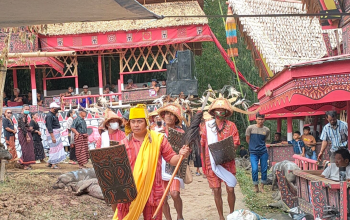
During a funeral ceremony, visitors may see traditional family houses surrounded by temporary bamboo structures used to accommodate relatives and guests.
Lantang – Traditional Temporary Pavilions
Lantang are temporary structures built to welcome relatives, guests, and visitors attending the funeral. They are generally arranged around the ceremonial area.
These structures demonstrate the importance of hospitality and collective participation in Torajan society.
Ma’badong Traditional Chant
Ma’badong is a traditional ritual performance in which participants form a circle and sing rhythmic chants.
The performance expresses remembrance, sorrow, respect, and reflections on human life. It is one of the most memorable cultural elements that visitors may encounter during certain Rambu Solo’ ceremonies.
Traditional Music and Dances
Some ceremonies include traditional music, dancing, and other cultural performances. These activities vary according to the family’s traditions and the particular stage of the funeral.
Buffalo and Pig Ceremonies
Buffaloes and pigs have important roles in traditional Torajan funeral customs. Buffaloes, especially, hold significant cultural and social value.
The number of animals involved varies considerably depending on the family and the scale of the ceremony.
Visitors should understand that these are meaningful traditional practices, not performances organized primarily for tourists.
5. How Long Does a Rambu Solo’ Ceremony Last?
One of the most common questions from international travelers is how many days they should spend in Toraja to experience a Rambu Solo’ ceremony.
There is no universal duration.
Smaller ceremonies may take place over one or two days, while larger ceremonies can continue for several days.
Some important activities may include:
- Welcoming relatives and guests.
- Traditional processions.
- Ma’badong singing and cultural performances.
- Receiving and presenting buffaloes.
- Traditional buffalo-related activities.
- Family gatherings and communal meals.
- The final procession and burial.
The schedule is determined by the family and the traditional arrangements for each ceremony.
For travelers coming from Makassar, we recommend spending at least three days and two nights in Toraja if attending a ceremony is one of the main purposes of the trip.
A longer stay of four or five days provides more flexibility, especially when you want to explore several traditional villages and cultural attractions.
6. Where Can You Attend Rambu Solo’ in Toraja?
Rambu Solo’ ceremonies are organized by families throughout Tana Toraja and North Toraja. They are not limited to one particular tourist destination.
Some areas where traditional ceremonies may take place include:
Rantepao
Rantepao is the main town and an important tourism center in North Toraja. It is a convenient base for travelers looking for accommodation, restaurants, transportation, and local tour guides.
Makale
Makale is the capital of Tana Toraja Regency. The surrounding villages preserve many traditional customs and are important areas for cultural exploration.
Sangalla
Sangalla is known for its historical and cultural heritage. It is also an area where visitors may encounter traditional funeral ceremonies organized by local families.
Kesu’
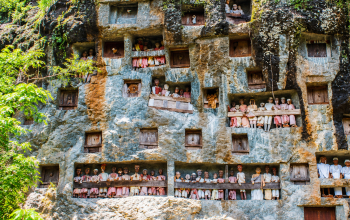
Kesu’ is famous for its traditional Tongkonan houses, rice barns, and traditional burial landscapes. Kete Kesu is one of the best-known cultural destinations in North Toraja.
Sesean and Other Traditional Villages
The highland communities around Sesean and other villages maintain important Torajan cultural traditions. Depending on the family calendar, ceremonies may also take place in these areas.
Remember that the location of a ceremony is determined by the organizing family. Not every traditional village has a funeral ceremony during your travel dates.
7. How to Find the Latest Rambu Solo’ Schedule?
Finding accurate Rambu Solo’ information can be challenging, particularly for international travelers who do not speak Indonesian or the local Torajan languages.
Unlike concerts, sporting events, or public festivals, funeral ceremonies are private family events. Their schedules are not necessarily published months in advance.
Here are several ways to find updated information.
Check Local Event Calendars
Look for announcements on Toraja event websites and local tourism information platforms. Some families publish their ceremony schedules online, including the dates, names of the deceased, and locations.
Contact a Local Toraja Tour Operator
A local tour operator can help check available information and communicate with people in the surrounding communities.
This is particularly useful if you are traveling from Makassar and have limited time in Toraja.
Ask Local Guides in Rantepao
Local guides often have connections with village communities and can help identify ceremonies that are taking place during your visit.
Confirm Before Departure
Even when a schedule has been announced, travelers should reconfirm the date and location before departure. Family arrangements may change, and some events may be postponed.
For this reason, we recommend contacting a local operator approximately one or two weeks before your planned arrival.
8. Important Etiquette for Foreign Visitors Attending Rambu Solo’
If you are planning to attend a Rambu Solo’ ceremony, respecting local customs is extremely important.
Although visitors are sometimes welcomed by the organizing families, remember that you are attending a funeral and not a commercial cultural show.
Here are some recommendations:
- Wear appropriate clothing: Choose modest and respectful clothing. Black or dark-colored outfits are generally suitable.
- Bring a small gift: Visitors may bring a simple contribution as a gesture of respect. Your local guide can advise you about suitable gifts.
- Ask before taking photographs: Always respect the privacy of grieving family members. Ask permission before photographing individuals or sensitive activities.
- Follow your local guide: Your guide can introduce you to the family and explain where visitors are allowed to sit or observe.
- Respect traditional activities: Some parts of the ceremony may be sensitive. Avoid making jokes or disturbing the proceedings.
- Accept hospitality politely: If the family welcomes you with food or drinks, respond respectfully. You are not required to participate in anything that makes you uncomfortable.
The most important thing is to remember that Rambu Solo’ belongs to the Torajan family and community. Visitors should behave as respectful guests.
9. How to Travel from Makassar to Toraja
For travelers arriving at Sultan Hasanuddin International Airport (UPG) or staying in Makassar, there are several ways to reach Tana Toraja.
The journey from Makassar to Rantepao is approximately 8–10 hours by road, depending on traffic, weather, and road conditions.
You can choose between the following transportation options:
Private Car with Driver
A private car is a convenient option for travelers who prefer flexibility. You can stop at selected viewpoints, local restaurants, and interesting places along the way.
Night Bus from Makassar
Several bus services operate between Makassar and Toraja. Night departures from Makassar allow travelers to arrive in the Rantepao area the following morning.
Private Toraja Tour Package
For travelers who want to attend Rambu Solo’ and explore Toraja’s cultural attractions, booking a private tour is a practical solution.
A local operator can arrange transportation, accommodation, local guides, and visits to traditional villages.
10. Recommended Toraja Itinerary for December 2026 – January 2027
If your main purpose is to attend a Rambu Solo’ ceremony, we recommend combining the cultural experience with visits to other famous destinations.
Here is an example of a three-day, two-night itinerary from Makassar.
Day 1: Makassar – Toraja
- Evening departure from Makassar by night bus or private vehicle.
- Overnight journey to Rantepao.
Day 2: Toraja Cultural Exploration and Rambu Solo’
- Arrive in Rantepao.
- Breakfast and hotel check-in.
- Visit Kete Kesu traditional village.
- Explore traditional Tongkonan houses.
- Attend a Rambu Solo’ ceremony if one is taking place and the family welcomes visitors.
- Visit Londa traditional burial caves.
- Explore the local area around Rantepao.
- Overnight in Toraja.
Day 3: Toraja Highlands – Makassar
- Breakfast at the hotel.
- Visit Lemo traditional burial site.
- Explore traditional villages and scenic highland landscapes.
- Lunch in a local restaurant.
- Return to Makassar by private vehicle or overnight bus, depending on your departure arrangements.
This itinerary is flexible and can be adjusted according to the actual Rambu Solo’ schedule.
If a ceremony is taking place on another day, the itinerary can be rearranged to accommodate the event.
11. Is December – January a Good Time to Visit Toraja?
Yes, December and January can be interesting months to explore Toraja, particularly for travelers interested in Christmas celebrations, traditional ceremonies, and family gatherings.
However, these months are also part of the wetter period in the Toraja highlands. Rain may affect road conditions, outdoor activities, and travel schedules.
We recommend bringing a raincoat, comfortable walking shoes, warm clothing, and waterproof bags for personal belongings.
It is also advisable to book accommodation and transportation in advance, particularly around Christmas and New Year when domestic travel demand can increase.
Do not plan your entire journey around a single funeral ceremony. Build an itinerary that remains enjoyable even if a ceremony is postponed or visitors are not permitted to attend.
12. Book Your Toraja Private Tour for December 2026 – January 2027
Are you planning to visit Toraja during December 2026 or January 2027?
Toraja Travel Guide offers private tours from Makassar to Tana Toraja and North Toraja, helping international and domestic travelers discover the region’s cultural heritage.
We specialize in flexible Toraja travel arrangements, including short trips, two-day tours, three-day tours, cultural experiences, adventure tours, and Rambu Solo’ visits.
Our local team can help you:
- Check available Rambu Solo’ ceremony information before your arrival.
- Arrange private transportation from Makassar to Toraja.
- Visit traditional villages and ancient burial sites.
- Explore Tongkonan houses and Torajan cultural heritage.
- Arrange local guides who understand Torajan customs.
- Customize your itinerary according to your travel dates and interests.
If you want to attend a Rambu Solo’ ceremony, we recommend contacting us early so we can help check the latest available information.
Experience Toraja with a local team, flexible itineraries, and affordable private tour arrangements.
Contact Toraja Travel Guide to start planning your December 2026 – January 2027 journey.
Website: https://torajatravelguide.com/
Frequently Asked Questions About Rambu Solo’ Toraja
1. When is the best time to see Rambu Solo’ in Toraja?
December–January and July–September are periods worth considering. However, ceremonies can take place throughout the year, depending on individual family arrangements.
2. Are there confirmed Rambu Solo’ schedules for December 2026?
Yes. Some December ceremonies have already been announced, including events scheduled for December 17–22 and December 18–23, 2026. More announcements may follow.
3. Are there confirmed Rambu Solo’ schedules for January 2027?
The January 2027 schedule should be checked through updated local announcements. Travelers should not assume that a ceremony will take place on a particular date without confirmation.
4. Can foreign tourists attend Rambu Solo’?
Yes, some families welcome foreign visitors. However, permission should be obtained, and visitors must respect the family’s customs and privacy.
5. How many days should I spend in Toraja?
Three days and two nights is a reasonable starting point. Four or five days provide more flexibility for attending ceremonies and exploring the region.
6. How far is Toraja from Makassar?
Rantepao is approximately 8–10 hours by road from Makassar, depending on traffic and road conditions.
7. Is Rambu Solo’ held every day?
No. Rambu Solo’ is organized by individual families, and there is no fixed daily schedule.

Maybe you are interested in reading the following article:
Rambu Solo’ Toraja Schedule December 2026 – January 2027: The Best Time to Experience Toraja’s Traditional Funeral Ceremony
Rambu Solo’ Toraja is one of the most fascinating traditional ceremonies in Indonesia. For international travelers planning to visit Tana Toraja and North Toraja, attending a Rambu Solo’ ceremony offers a rare opportunity to witness the unique culture, ancestral traditions, and social values of the Torajan people. If you are looking for the Rambu Solo’... read more
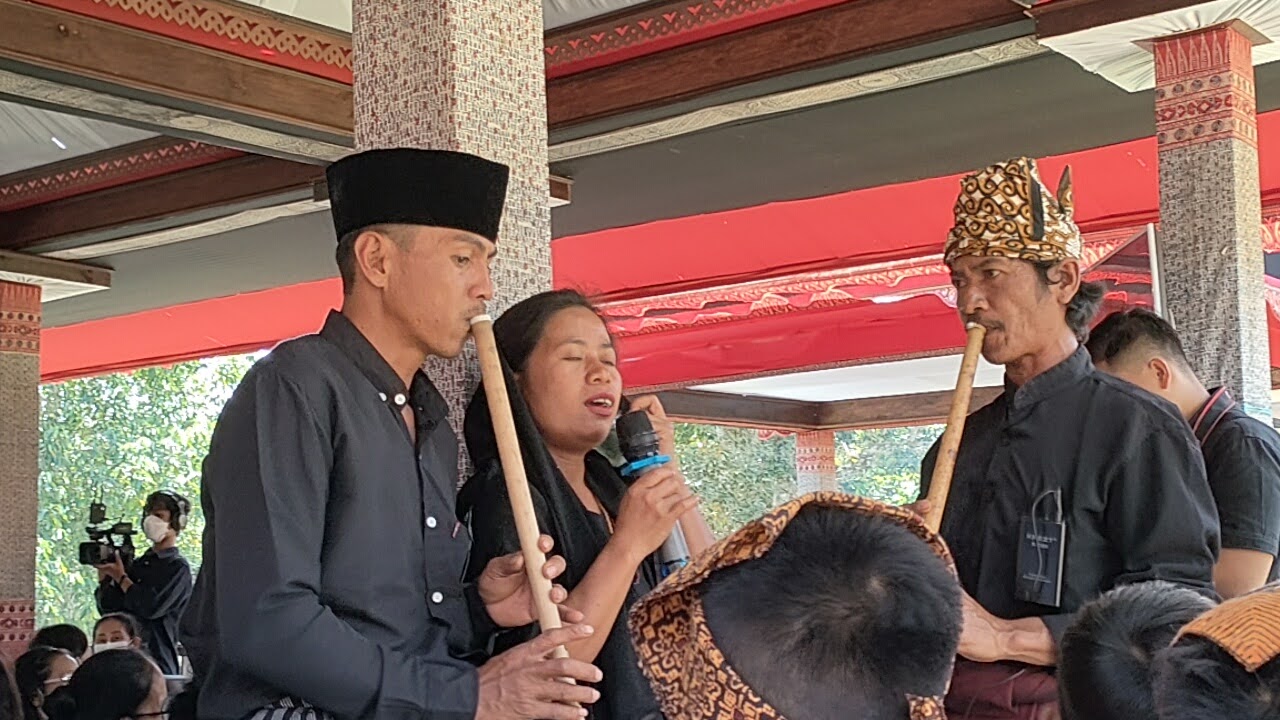
Pa’marakka: Traditional Torajan Funeral Music and Lamentation During Rambu Solo’ in South Sulawesi
Pa’marakka is one of the most distinctive traditional musical and vocal arts of the Torajan people in South Sulawesi, Indonesia. Deeply connected to the traditional funeral ceremony known as Rambu Solo’, this cultural performance represents an important expression of grief, respect, remembrance, and spiritual values within Torajan society. Unlike... read more
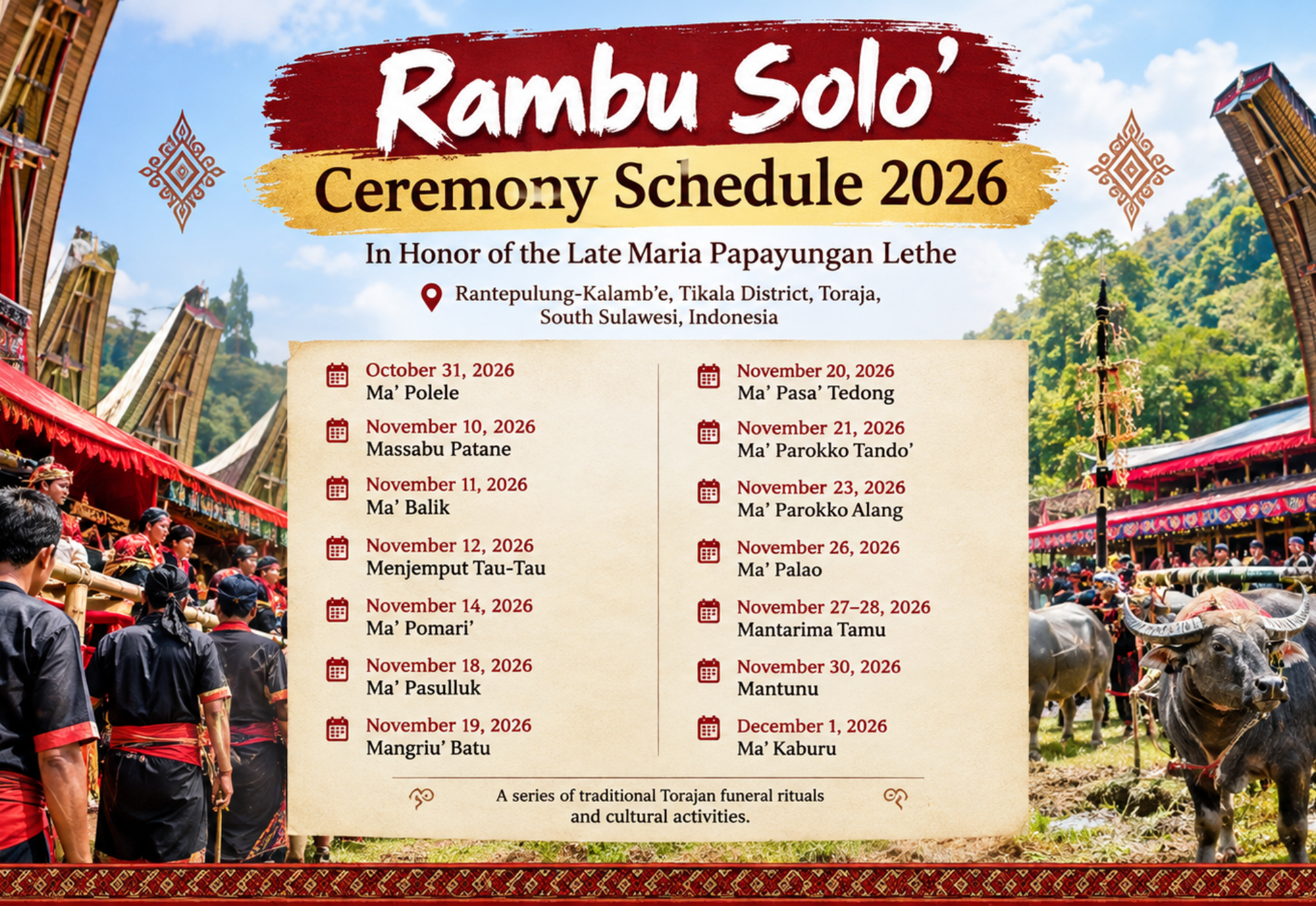
Rambu Solo’ Ceremony for the Late Maria Papayungan Lethe: A Traditional Torajan Funeral Celebration in 2026
The island of Sulawesi in Indonesia is home to many fascinating cultural traditions, and among the most remarkable is the funeral ceremony known as Rambu Solo’. Deeply rooted in the traditions of the Torajan people of South Sulawesi, Rambu Solo’ is a ceremonial event that honors the deceased while bringing together family members, relatives, friends,... read more


Contact Us
If you have any questions, please contact us.
-
Hotline
+62881080121080 -
Whatsapp
+62881080121080 -
Messenger
amiralmaruzy -
LINE ID
torajatravelguide -
Email
amiruddinemail@gmail.com


No comment yet