
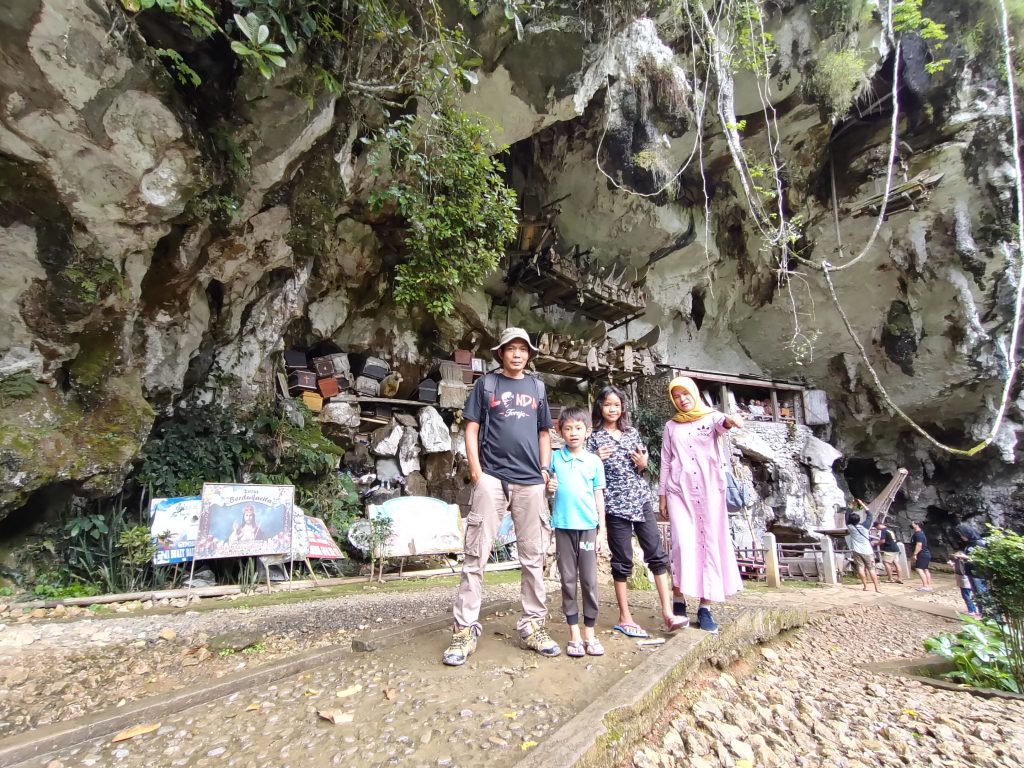
Londa Ancient Burial Site is one of the most iconic cultural and historical attractions in North Toraja Regency, South Sulawesi, Indonesia. Located approximately 5 kilometers from Rantepao, the main town of North Toraja, Londa offers visitors a fascinating opportunity to discover the traditional burial customs, ancestral beliefs, and unique cultural heritage of the Torajan people.
Unlike conventional cemeteries, where bodies are buried underground, Londa features ancient limestone caves and cliffside burial chambers used by generations of Torajan families. Inside these natural caves, visitors can find traditional wooden coffins, human skulls, bones, and other historical burial objects preserved as part of the community’s ancestral heritage.
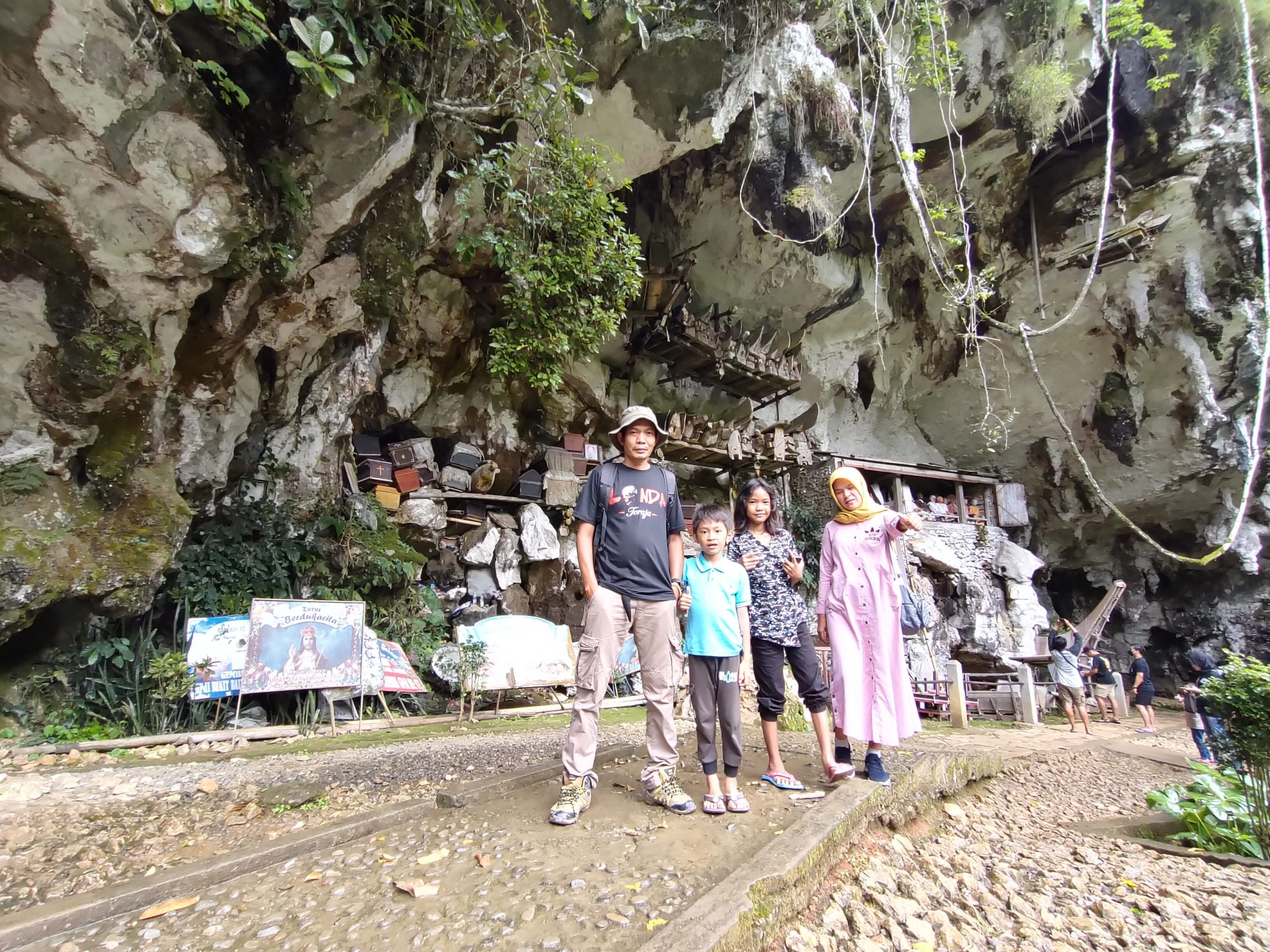
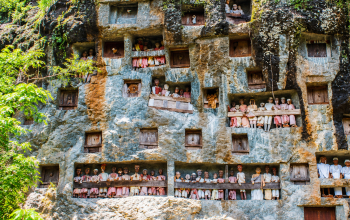
The site is also famous for its wooden effigies known as Tau-Tau, which represent deceased members of noble families. Positioned on elevated limestone cliffs, these statues create one of the most recognizable scenes in Toraja.
For international travelers interested in anthropology, traditional architecture, ancient burial practices, and Indonesian cultural heritage, Londa is an unforgettable destination during a visit to Toraja.
Where Is Londa Ancient Burial Site?
Londa Ancient Burial Site is situated in Sangbua’ Village, Kesu’ District, North Toraja Regency, South Sulawesi Province. It is approximately 5 kilometers from Rantepao and around 16 kilometers from Makale, the capital of Tana Toraja Regency.
The destination is relatively easy to reach by private car or motorcycle. Visitors traveling from Rantepao can expect a short journey through traditional Torajan villages, green rice fields, and beautiful mountainous landscapes.
Londa is commonly included in cultural sightseeing itineraries alongside other famous attractions, such as Lemo, Kete Kesu, Suaya, and Buntu Burake.
For international travelers arriving from Makassar, Londa can be visited as part of a multi-day Toraja tour. The road journey from Makassar to Rantepao generally takes approximately 8–10 hours, depending on traffic and road conditions.
The Unique Ancient Burial Tradition of Toraja
One of the most remarkable aspects of Londa is its traditional burial system.
For centuries, the Torajan people have practiced distinctive funeral and burial traditions influenced by their ancestral belief system, known as Aluk To Dolo. Although many Torajans today follow Christianity or other religions, ancestral customs remain an important part of their cultural identity.
Traditional Torajan burial practices reflect the belief that death is an important transition rather than simply the end of human life.
Historically, social status, family relationships, and cultural traditions influenced how deceased people were buried. Some families placed coffins inside natural caves, while others constructed burial chambers within limestone cliffs.
At Londa, visitors can observe how generations of Torajan families have maintained their ancestral burial locations.
The coffins, known locally as erong, are traditionally made from wood and often feature distinctive shapes and decorative elements. Some resemble boats or animals, reflecting traditional symbolism and cultural beliefs.
Instead of placing every coffin underground, families positioned them inside caves or on elevated cliff ledges. These locations helped protect ancestral remains while maintaining connections between the living and their ancestors.
Exploring the Mysterious Londa Burial Cave
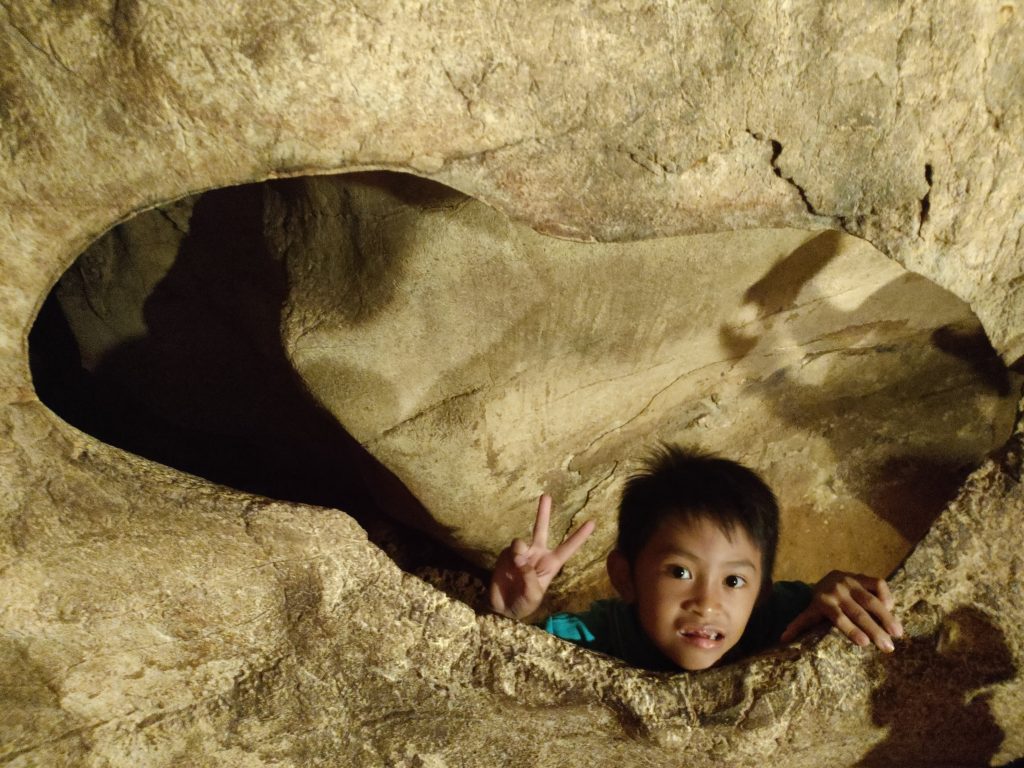
The cave system is one of the main attractions at Londa.
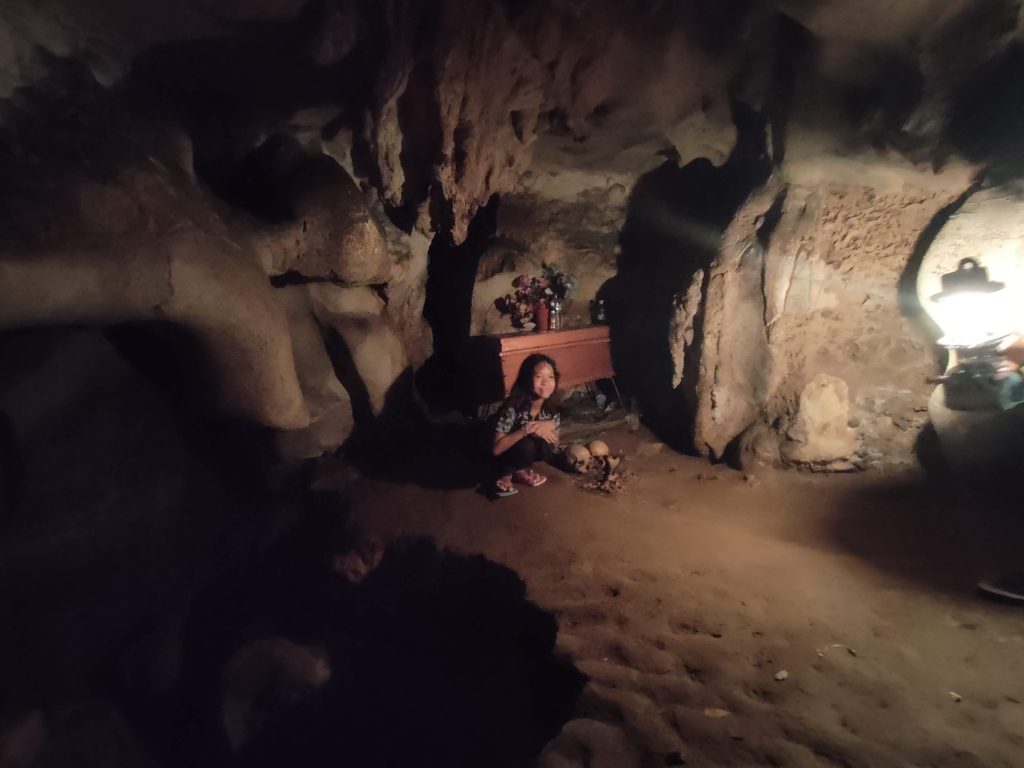
Inside the limestone cave, visitors can discover traditional wooden coffins, human skulls, and bones belonging to generations of Torajan ancestors.
Some remains are arranged near family burial areas, while old coffins can be found resting on natural rock formations or placed in specially prepared spaces.
The cave extends for a considerable distance, with commonly reported descriptions referring to a passage system of approximately one kilometer. However, visitors do not necessarily explore the entire cave.
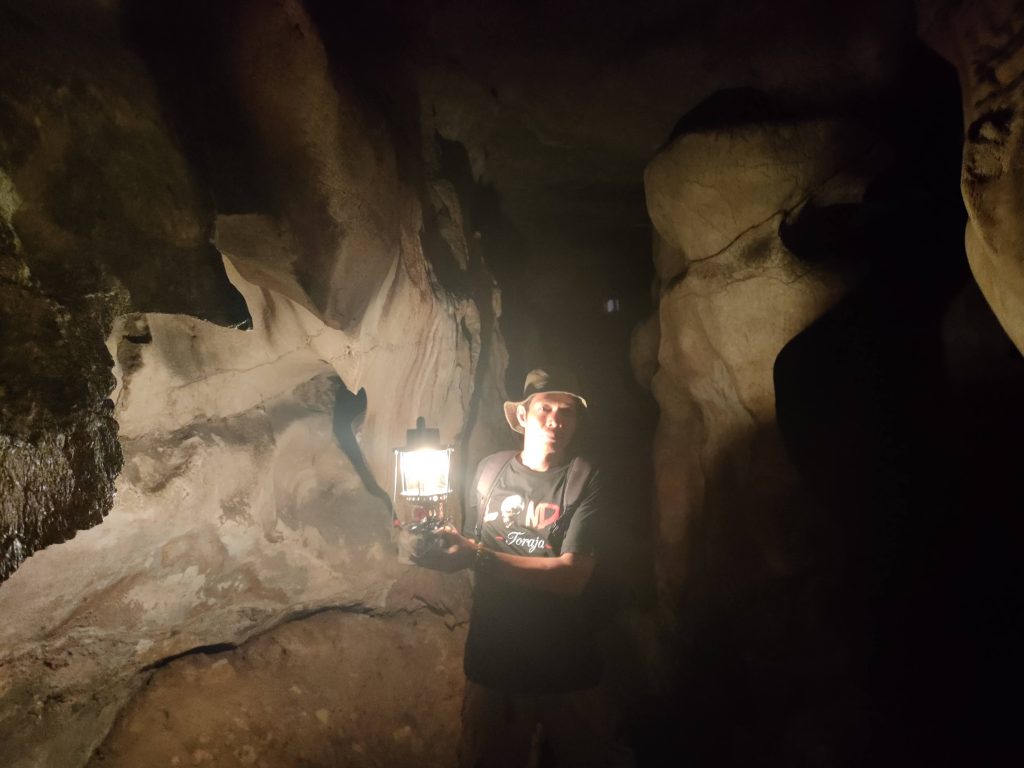
The interior is naturally dark, and certain sections are narrow, uneven, and potentially slippery. For this reason, exploring the cave with a local guide is strongly recommended.
A traditional petromax lantern is often used to illuminate the underground passages. Its warm light creates an atmospheric experience while allowing visitors to observe the ancient coffins and limestone formations.
Walking through Londa is different from visiting an ordinary tourist attraction. It is an opportunity to learn about the relationship between the Torajan people, their ancestors, and their traditional understanding of life and death.
Visitors should remember that this is an active ancestral heritage site, not simply an archaeological exhibition.
Tau-Tau Wooden Statues: Representations of the Ancestors
Another fascinating feature of Londa is the collection of traditional wooden statues known as Tau-Tau.
These statues are designed to represent deceased members of Torajan families, particularly individuals from noble or prominent families.
The word Tau-Tau refers to human-like figures. Traditionally, the statues are carved to resemble the deceased person, including facial expressions, clothing, and other physical characteristics.
At Londa, visitors can see several Tau-Tau positioned on elevated wooden balconies carved into or attached to the limestone cliffs.
Their elevated positions are associated with traditional burial customs and social distinctions.
Historically, creating Tau-Tau required considerable resources and was connected to the social standing of the deceased and the family’s ability to organize elaborate funeral ceremonies.
The statues are more than decorative objects. They represent the continuing relationship between the living family members and their ancestors.
For photographers, the combination of ancient limestone cliffs, wooden statues, and green tropical vegetation makes Londa one of the most visually distinctive cultural attractions in Toraja.
The Ancient Coffins and Family Burial Chambers
The traditional wooden coffins at Londa are another important element of its historical identity.
Known as erong, these coffins were traditionally crafted using local wood and sometimes decorated with symbolic carvings.
Their shapes and designs can reflect traditional beliefs, family heritage, and the cultural significance of the deceased.
Inside the cave, some coffins have deteriorated over time due to age, humidity, and natural environmental conditions. Human remains are visible in certain sections, providing a direct connection to the ancient burial traditions of the region.
The cave is associated with important family lineages, including the To’lengke and To’pangrapa families.
These family burial areas demonstrate how ancestral relationships remain significant in Torajan society.
Unlike modern cemeteries, where graves are often separated according to individual burial plots, traditional Torajan burial locations can represent generations of extended families.
This makes Londa particularly interesting for visitors who want to understand the importance of kinship, ancestry, and family identity in traditional Indonesian communities.
The Tragic Love Story of Londa: Toraja’s Romeo and Juliet
One of the most famous stories associated with Londa is a tragic love legend often compared to Shakespeare’s Romeo and Juliet.
According to local storytelling, two young lovers from closely related family backgrounds fell in love despite their relationship being considered unacceptable by their families.
Their romance faced strong opposition, and the couple eventually chose to end their lives rather than live separately.
The story is often associated with two skulls that visitors are shown inside the cave.
Although details of the legend vary depending on the storyteller, it has become one of the most well-known narratives connected to Londa.
The comparison with Romeo and Juliet helps international visitors understand the emotional themes behind the story: forbidden love, family expectations, social traditions, and personal sacrifice.
However, visitors should understand that this is a local legend rather than a fully documented historical account.
A knowledgeable local guide can provide additional context and explain how the story has become part of Londa’s cultural identity.
What Makes Londa Different from Other Toraja Burial Sites?
North Toraja and Tana Toraja contain several famous traditional burial attractions. Each location offers a different perspective on Torajan funeral customs and ancestral heritage.
Londa is particularly famous for its natural limestone cave burial system, wooden coffins, human remains, and elevated Tau-Tau statues.
Other destinations provide different experiences:
- Lemo: Famous for cliffside burial chambers and rows of Tau-Tau statues overlooking the surrounding landscape.
- Kete Kesu: A traditional Torajan village featuring Tongkonan houses, rice barns, and an ancient burial area.
- Suaya: Known for its royal burial cliffs and historical connections to Torajan nobility.
- Tampang Allo: A traditional burial cave featuring ancient wooden coffins and ancestral remains.
- Visiting several of these attractions provides a broader understanding of Torajan cultural traditions.
Entrance Fees and Local Guide Services
Visitors to Londa generally need to purchase an entrance ticket before exploring the burial area.
Based on indicative local visitor information, domestic entrance fees have been reported at approximately IDR 15,000–25,000 per person. Actual prices may change depending on the current management policy.
For exploring the interior cave, visitors can arrange a local guide who provides a petromax lantern and explanations about the burial traditions.
The combined guide and lantern service has been reported at approximately IDR 50,000, although visitors should confirm the latest price directly at the destination.
Hiring a local guide is strongly recommended, particularly for international visitors who want to understand the cultural background of the site.
A guide can explain the meaning of the coffins, the family burial arrangements, the Tau-Tau statues, and the local legends associated with the cave.
Important Rules When Visiting Londa
Londa is an ancestral burial site that continues to hold cultural and spiritual significance for local families.
Visitors should behave respectfully throughout their visit.
Here are some important guidelines:
- Never touch, move, or remove human skulls, bones, coffins, or other burial objects.
- Do not damage the limestone formations or wooden structures.
- Avoid shouting or behaving disrespectfully inside the cave.
- Follow the instructions of your local guide.
- Use appropriate footwear because cave floors can be uneven and slippery.
- Bring sufficient drinking water, especially during hot weather.
- Ask permission before photographing local residents or activities involving families.
- Avoid leaving rubbish anywhere around the burial area.
- Photography is generally possible, but visitors should remember that Londa is a sacred cultural heritage location.
- Respecting local customs is essential to preserving the destination for future generations.
Best Time to Visit Londa Ancient Burial Site
Londa can be visited throughout the year, although weather conditions may influence the overall experience.
The dry season, generally from May to October, is often suitable for exploring outdoor areas and combining Londa with other cultural attractions.
Morning visits are recommended because temperatures are usually more comfortable and there is sufficient time to explore several destinations around Rantepao.
A typical visit to Londa takes approximately 45 minutes to 1.5 hours, depending on how much time visitors spend exploring the cave and learning about the burial traditions.
Travelers interested in photography may prefer morning or afternoon visits when natural light creates attractive contrasts across the limestone cliffs.
Combine Londa with Other Toraja Attractions
Londa is an excellent starting point for discovering the cultural attractions of North Toraja.
A full-day sightseeing itinerary can include several destinations:
Morning – Kete Kesu Traditional Village
Explore traditional Tongkonan houses, rice barns, and the ancient burial area. Learn about Torajan architecture and family traditions.
Late Morning – Londa Ancient Burial Site
Discover the limestone cave, ancient coffins, ancestral remains, and Tau-Tau statues. Explore the cave with a local guide and petromax lantern.
Afternoon – Lemo Burial Cliffs
Visit the famous cliffside burial chambers and observe the wooden statues representing deceased Torajan ancestors.
Late Afternoon – Buntu Burake
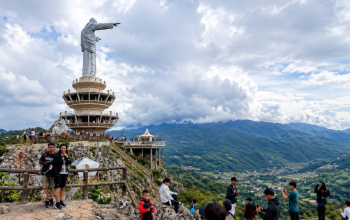
Enjoy panoramic views of the surrounding mountains and visit the famous Jesus Christ statue overlooking Makale.
This itinerary provides a combination of cultural heritage, traditional architecture, history, and scenic landscapes.
How to Get to Londa from Makassar
For international travelers, Makassar is the main gateway to Toraja.
Visitors can reach Rantepao by overnight bus or private vehicle.
The overnight bus journey from Makassar generally takes around 8–10 hours, depending on the operator, traffic, and road conditions.
Buses usually depart from the Makassar bus terminal area in the evening and arrive in Rantepao the following morning.
Another option is hiring a private car with a driver for a more flexible journey through South Sulawesi.
After arriving in Rantepao, travelers can arrange a private Toraja tour with a local guide and vehicle to visit Londa and other attractions.
For visitors with limited time, a private tour is a convenient option because transportation, sightseeing arrangements, and local explanations can be organized in advance.
Experience Toraja’s Ancient Cultural Heritage with a Local Guide
Londa Ancient Burial Site is much more than an unusual cemetery. It represents the cultural identity, ancestral traditions, family relationships, and historical beliefs of the Torajan people.
From its mysterious limestone caves and traditional wooden coffins to the elevated Tau-Tau statues and fascinating local legends, Londa offers an experience that cannot easily be found elsewhere in Indonesia.
For travelers exploring South Sulawesi, visiting Londa is an opportunity to discover one of the most distinctive cultural landscapes in the Indonesian archipelago.
Whether you are interested in history, anthropology, photography, traditional architecture, or cultural tourism, Londa deserves a place on your Toraja travel itinerary.
Planning a trip to Toraja? Explore Londa Ancient Burial Site with a local guide and combine your visit with Kete Kesu, Lemo, Suaya, and other fascinating destinations through a private Toraja tour from Makassar.

Maybe you are interested in reading the following article:
Londa Ancient Burial Site: Exploring Toraja’s Mysterious Cliffside Cemetery in North Toraja, South Sulawesi
Londa Ancient Burial Site is one of the most iconic cultural and historical attractions in North Toraja Regency, South Sulawesi, Indonesia. Located approximately 5 kilometers from Rantepao, the main town of North Toraja, Londa offers visitors a fascinating opportunity to discover the traditional burial customs, ancestral beliefs, and unique cultural heritage... read more
Buntu Burake Toraja: Discover the Magnificent Jesus Christ Statue and Glass Bridge in Tana Toraja
Buntu Burake is one of the most remarkable religious and nature tourism destinations in Tana Toraja, South Sulawesi, Indonesia. Located in Buntu Burake Village, Makale District, Tana Toraja Regency, this spectacular hilltop attraction is famous for its enormous Jesus Christ Blessing Statue, which stands majestically above the surrounding mountains. Approxima... read more
Rambu Solo’ Toraja Schedule December 2026 – January 2027: The Best Time to Experience Toraja’s Traditional Funeral Ceremony
Rambu Solo’ Toraja is one of the most fascinating traditional ceremonies in Indonesia. For international travelers planning to visit Tana Toraja and North Toraja, attending a Rambu Solo’ ceremony offers a rare opportunity to witness the unique culture, ancestral traditions, and social values of the Torajan people. If you are looking for the Rambu Solo’... read more


Contact Us
If you have any questions, please contact us.
-
Hotline
+62881080121080 -
Whatsapp
+62881080121080 -
Email
amiruddinemail@gmail.com


No comment yet