
Rante Kalimbuang Bori’, also widely known as Bori Parinding or Bori’ Megalithic Site, is one of the most remarkable cultural and historical attractions in North Toraja, South Sulawesi, Indonesia. Located in Bori Village, Sesean District, approximately 5–8 kilometres north of Rantepao, this extraordinary destination offers visitors an opportunity to discover the ancient traditions, funeral ceremonies, and unique architectural heritage of the Toraja people.
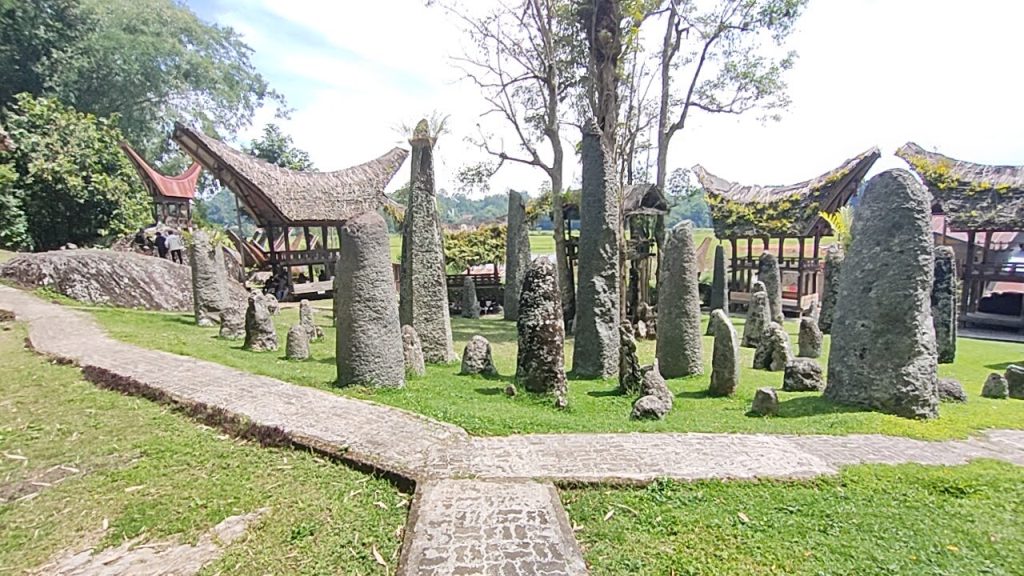
The site is particularly famous for its collection of enormous standing stones, locally known as Simbuang Batu. These ancient megaliths stand across an open grassy field, creating a fascinating landscape that is sometimes compared to Stonehenge in England. However, unlike Stonehenge, the standing stones at Bori’ are closely connected to Toraja funeral traditions, social hierarchy, and ancestral beliefs.
For travellers interested in cultural tourism, traditional architecture, anthropology, and Indonesian history, Rante Kalimbuang Bori’ is an essential destination when exploring Toraja.
Where Is Rante Kalimbuang Bori’ Located?
Rante Kalimbuang Bori’ is situated in Bori Village, Sesean District, North Toraja Regency, South Sulawesi Province. The location is approximately 5–8 kilometres from Rantepao, the main tourism centre of Toraja.
Visitors can reach the site by private car, motorcycle, or organised tour from Rantepao. The journey usually takes around 15–25 minutes, depending on traffic and road conditions.
The surrounding landscape features traditional Toraja settlements, green hills, rice fields, and mountain scenery. The journey itself provides an introduction to the rural atmosphere and cultural identity of the Toraja highlands.
Because of its convenient location near Rantepao, Bori’ can easily be included in a half-day or full-day Toraja cultural tour.
The History of Rante Kalimbuang Bori’
Rante Kalimbuang Bori’ is an important historical site associated with the development of Toraja megalithic traditions. Historical accounts commonly associate the beginning of the site’s use with the seventeenth century, although different references mention different dates, including 1617 and 1717.
The site is traditionally associated with important ancestral figures, including Ne’ Talli’ and Ne’ Ramba’, who are mentioned in local historical accounts.
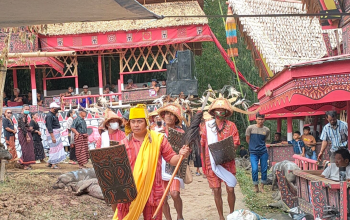
For generations, the location has served as a ceremonial gathering place, particularly for traditional Toraja funeral ceremonies known as Rambu Solo’.
In traditional Toraja society, death is not simply considered the end of human life. It is an important cultural and spiritual transition involving the family, community, ancestors, and traditional customs.
The establishment of a standing stone was part of a major funeral celebration held to honour a deceased person from an aristocratic family. The process required significant community participation, resources, and ceremonial preparations.
As a result, the megalithic stones at Bori’ are not merely archaeological objects. They represent the history, social relationships, and cultural values of the Toraja people.
The 102 Ancient Standing Stones: Simbuang Batu
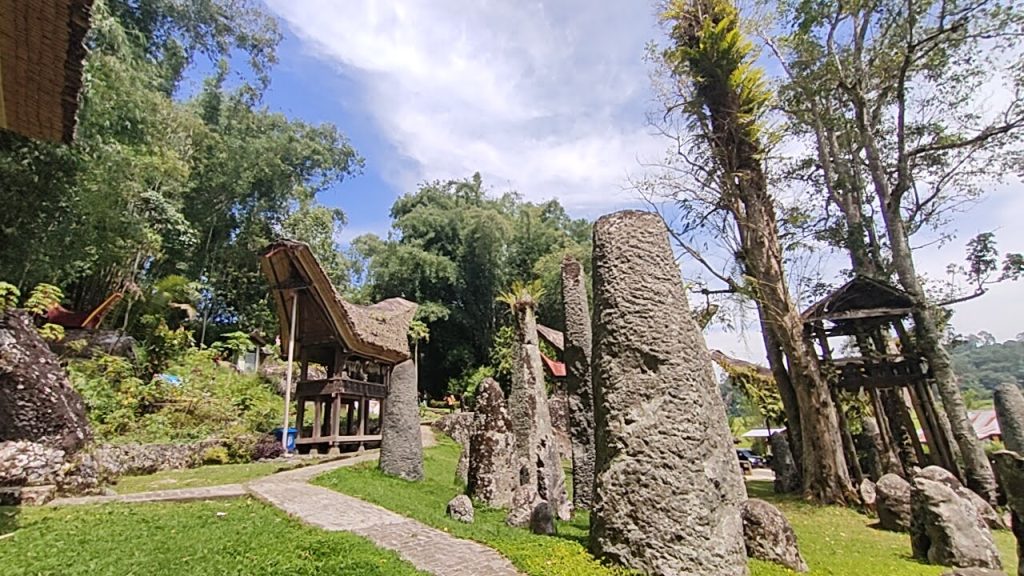
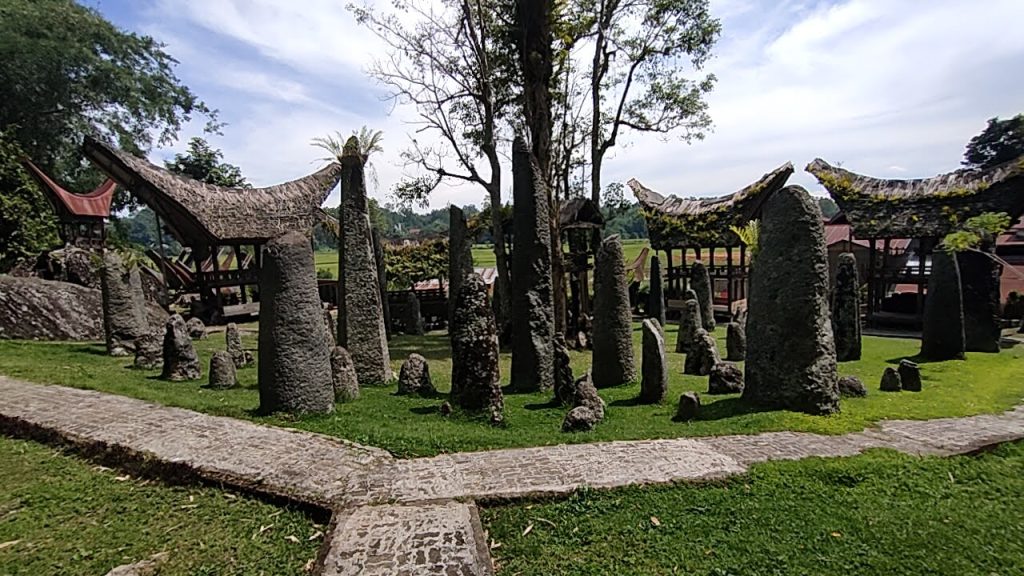
The main attraction at Rante Kalimbuang Bori’ is its impressive collection of 102 standing stones, locally called Simbuang Batu.
These stones have different heights, shapes, and sizes. According to commonly published descriptions, the collection consists of:
- 54 small standing stones.
- 24 medium-sized standing stones.
- 24 large standing stones.
Each stone was traditionally erected as part of a funeral ceremony for an important member of Toraja society.
The stones were transported from their original locations and positioned vertically in the ceremonial field. Before modern transportation equipment became available, moving these enormous stones required considerable human effort and cooperation.
The largest stones are particularly impressive because of their size and weight. Their presence demonstrates the organisational ability and collective strength of traditional Toraja communities.
Walking among the standing stones allows visitors to appreciate the scale of this ancient cultural tradition. The open landscape, surrounded by traditional settlements and green hills, also provides excellent opportunities for photography.
The Meaning of Standing Stones in Toraja Culture
One of the most interesting aspects of Bori’ is the relationship between the standing stones and the traditional social structure of Toraja society.
Historically, Toraja communities recognised different social groups and levels of status. Certain major funeral ceremonies were reserved for aristocratic families and people belonging to the highest traditional social classes.
The erection of a standing stone was associated with an elaborate funeral ceremony, particularly those belonging to the highest ceremonial category, known as Rapasan Sapurandanan.
The size and height of the stone could reflect the social position, honour, and prestige associated with the deceased person and their family.
Generally, larger standing stones were associated with more prestigious ceremonies. The preparation of such ceremonies involved considerable financial resources, traditional responsibilities, and participation from relatives and members of the wider community.
For this reason, the stones at Bori’ provide valuable insights into the historical relationship between social status, funeral traditions, and community cooperation in Toraja.
Visitors should understand that these stones are part of a living cultural heritage rather than simply decorative monuments.
Rambu Solo’: The Traditional Toraja Funeral Ceremony
To understand the significance of Rante Kalimbuang Bori’, visitors should learn about Rambu Solo’, the traditional funeral ceremony of the Toraja people.
Rambu Solo’ is one of the most important cultural traditions in Toraja. It is a series of ceremonies organised by the family to honour a deceased relative and fulfil traditional obligations.
Depending on the family’s social background, resources, and customary requirements, funeral ceremonies can involve several days of activities and large gatherings of relatives and community members.
Traditional activities may include:
- Welcoming relatives and invited guests.
- Traditional music and ceremonial performances.
- Buffalo offerings and symbolic exchanges.
- Traditional speeches and prayers.
- Funeral processions.
- The transportation of the deceased to a traditional burial place.
Buffaloes have an important symbolic role in Toraja funeral traditions. In traditional beliefs, they are associated with the journey of the deceased towards the afterlife.
The funeral ceremony also represents the importance of family relationships, social responsibility, and respect for ancestors.
At Bori’, the standing stones commemorate these important ceremonies and the individuals honoured by their families.
Liang Paa’: Traditional Stone Graves
Apart from the standing stones, another interesting feature of the Bori’ complex is its traditional stone burial system, known locally as Liang Paa’.
Unlike conventional graves, where bodies are buried directly in the ground, some Toraja burial places are carved into large natural rock formations.
These stone graves demonstrate the distinctive relationship between Toraja funeral traditions and the natural limestone landscape.
The burial chambers are carefully prepared within the rock, providing a permanent resting place for the deceased and their descendants.
Traditional Toraja burial architecture varies according to local customs, family traditions, and social status. Other well-known burial styles in Toraja include cliff graves, cave graves, hanging graves, and traditional wooden structures called Patane.
The presence of different burial traditions makes Toraja an extraordinary destination for travellers interested in anthropology and cultural history.
Bori’ and the Natural Landscape of North Toraja
The beauty of Rante Kalimbuang Bori’ is not limited to its archaeological and cultural significance. The surrounding environment also contributes to the attraction.
North Toraja is famous for its mountainous scenery, traditional wooden houses, green agricultural landscapes, and distinctive limestone formations.
Visitors travelling around Bori’ can enjoy views of the surrounding hills and traditional villages. The peaceful atmosphere offers a contrast to the busy streets of Rantepao.
The site is also a convenient starting point for exploring other cultural attractions in the Sesean area and nearby parts of North Toraja.
Photography enthusiasts will find many interesting subjects, particularly the contrast between the ancient standing stones, green grass, traditional architecture, and mountain landscape.
Morning and late afternoon are particularly pleasant times to explore the area because temperatures are generally more comfortable for walking and photography.
Best Time to Visit Rante Kalimbuang Bori’
Rante Kalimbuang Bori’ can be visited throughout the year. However, weather conditions can influence the overall travel experience.
The dry season generally provides more comfortable conditions for outdoor sightseeing and photography. During the rainy season, the surrounding landscape becomes greener, although visitors should prepare for occasional rain and slippery paths.
For a more comfortable visit, consider arriving in the morning or afternoon.
The site is commonly listed as open daily from 8:00 AM to 6:00 PM Central Indonesia Time (WITA). However, visitors should confirm the latest operating schedule before travelling.
The commonly reported entrance fee for domestic visitors is approximately IDR 15,000 per person. Entrance prices and applicable charges may change, so it is advisable to check locally before visiting.
Other Tourist Attractions Near Bori’
Travellers can combine a visit to Rante Kalimbuang Bori’ with several other attractions in North Toraja.
Kete Kesu Traditional Village
Kete Kesu is one of the most famous traditional villages in Toraja. It is known for its traditional Tongkonan houses, rice barns, traditional wood carvings, and ancient burial sites.
Londa Traditional Burial Cave
Londa is a well-known burial complex where ancestral remains are placed inside natural caves and rock chambers. Visitors can learn about traditional Toraja burial practices and the cultural importance of ancestral remembrance.
Lemo Traditional Burial Site
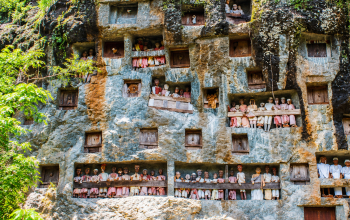
Lemo is famous for its cliff graves and wooden effigies known as Tau-Tau. These statues represent deceased members of important Toraja families and are traditionally placed near burial chambers.
Kambira Baby Graves
Kambira is a unique traditional burial site where infants who died before developing their first teeth were traditionally buried inside living trees. This practice reflects historical Toraja beliefs concerning life, death, and nature.
Buntu Burake
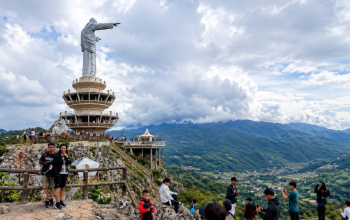
Buntu Burake is a popular viewpoint near Makale, featuring a large statue of Jesus Christ overlooking the surrounding mountains and valleys.
Combining these destinations allows visitors to experience different aspects of Toraja culture, history, architecture, and natural scenery.
How to Get to Rante Kalimbuang Bori’ from Makassar
For international travellers, the journey to Bori’ usually begins in Makassar, the capital city of South Sulawesi.
The distance between Makassar and Rantepao is approximately 300–330 kilometres, depending on the selected route.
There are several transportation options:
By Overnight Bus
Travellers can take an overnight bus from Makassar to Rantepao. The journey generally takes around 8–10 hours, depending on traffic, road conditions, and the bus service.
This option is suitable for independent travellers looking for relatively affordable transportation.
By Private Car
A private car with a driver provides greater flexibility, allowing travellers to stop at scenic viewpoints, traditional villages, and local restaurants along the way.
The journey usually takes approximately 8–10 hours or longer, depending on the itinerary and road conditions.
By Private Toraja Tour
Travellers who prefer a more organised experience can arrange a private Toraja tour from Makassar. This option can include transportation, accommodation arrangements, local guides, and visits to major cultural attractions.
After arriving in Rantepao, Bori’ can be reached in approximately 15–25 minutes by car.
Why Visit Rante Kalimbuang Bori’?
Rante Kalimbuang Bori’ is much more than a collection of ancient standing stones. It is a place where visitors can understand the cultural identity, ancestral traditions, and historical social structure of the Toraja people.
The 102 Simbuang Batu monuments provide a fascinating connection to traditional funeral ceremonies and the collective efforts of earlier generations.
Unlike conventional museums, Bori’ allows visitors to experience cultural heritage in its original outdoor setting. Walking through the ceremonial field provides a direct connection to the landscape where important traditional events took place.
For international visitors exploring South Sulawesi, this destination offers a meaningful cultural experience and an opportunity to discover one of Indonesia’s most distinctive traditional societies.
Whether you are interested in archaeology, history, photography, anthropology, or cultural tourism, Rante Kalimbuang Bori’ deserves a place on your Toraja travel itinerary.
Plan Your Toraja Cultural Tour
Discover the remarkable traditions and landscapes of North Toraja with a private guided tour. Explore ancient megalithic monuments, traditional villages, cliff graves, ancestral burial caves, and spectacular mountain scenery with a local guide.
A customised Toraja itinerary can include Rante Kalimbuang Bori’, Kete Kesu, Londa, Lemo, Kambira, and other cultural attractions around Rantepao.
Experience Toraja beyond ordinary sightseeing and discover the stories, traditions, and heritage that make this destination unique.
Explore Toraja with a local guide and experience the cultural heritage of South Sulawesi, Indonesia.

Maybe you are interested in reading the following article:
Rambu Solo’ Toraja Schedule December 2026 – January 2027: The Best Time to Experience Toraja’s Traditional Funeral Ceremony
Rambu Solo’ Toraja is one of the most fascinating traditional ceremonies in Indonesia. For international travelers planning to visit Tana Toraja and North Toraja, attending a Rambu Solo’ ceremony offers a rare opportunity to witness the unique culture, ancestral traditions, and social values of the Torajan people. If you are looking for the Rambu Solo’... read more
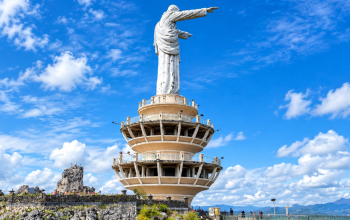
Buntu Burake Toraja: Discover the Magnificent Jesus Christ Statue and Glass Bridge in Tana Toraja
Buntu Burake is one of the most remarkable religious and nature tourism destinations in Tana Toraja, South Sulawesi, Indonesia. Located in Buntu Burake Village, Makale District, Tana Toraja Regency, this spectacular hilltop attraction is famous for its enormous Jesus Christ Blessing Statue, which stands majestically above the surrounding mountains. Approxima... read more
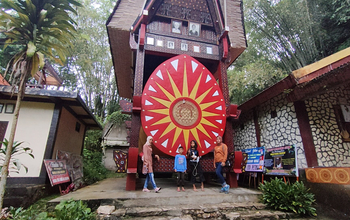
Kete Kesu Village: Discover the Ancient Tongkonan Houses, Traditional Culture, and Cliffside Tombs of Toraja
Kete Kesu Traditional Village is one of the most famous and historically significant cultural attractions in North Toraja, South Sulawesi, Indonesia. Located in Bonoran Village, Sanggalangi District, approximately 4 kilometers southeast of Rantepao, Kete Kesu offers visitors an extraordinary opportunity to explore traditional architecture, ancient burial tra... read more

Contact Us
If you have any questions, please contact us.
-
Hotline
+62881080121080 -
Whatsapp
+62881080121080 -
Messenger
amiralmaruzy -
LINE ID
torajatravelguide -
Email
amiruddinemail@gmail.com


No comment yet