ambetoraja
North Toraja is one of Indonesia’s most fascinating cultural destinations. Located in the highlands of South Sulawesi, this region is famous for its traditional Tongkonan houses, unique burial traditions, ancient stone graves, and spectacular mountain landscapes.
Beyond popular attractions such as Kete Kesu, Londa, Lemo, and Batutumonga, there are many lesser-known historical sites waiting to be explored.
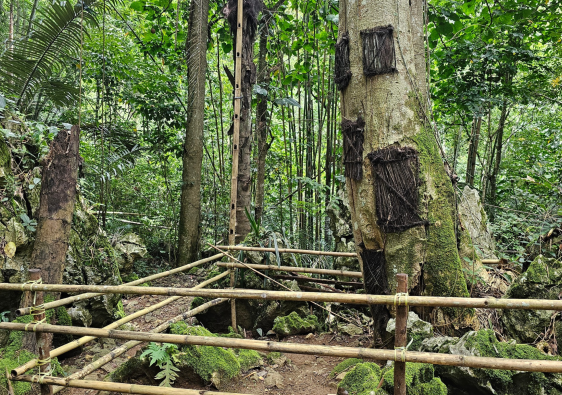
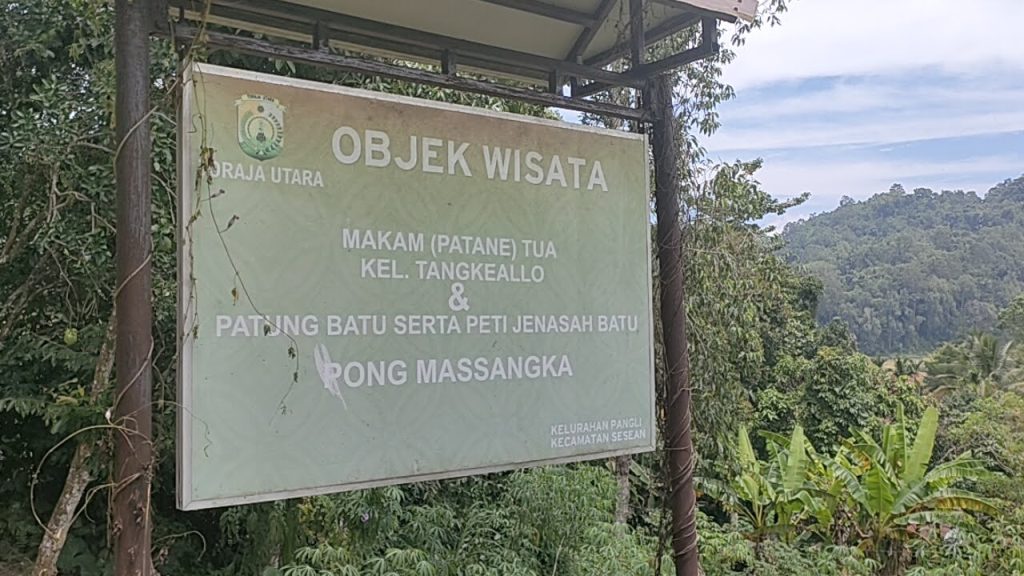
One interesting destination is Old Patane and the Pong Massangka Statue in Pangli, Sesean, North Toraja.
This historical site offers visitors an opportunity to discover an important part of Torajan heritage through traditional burial architecture, a distinctive stone statue, and stories connected to the region’s past.
What Is Old Patane in Pangli?
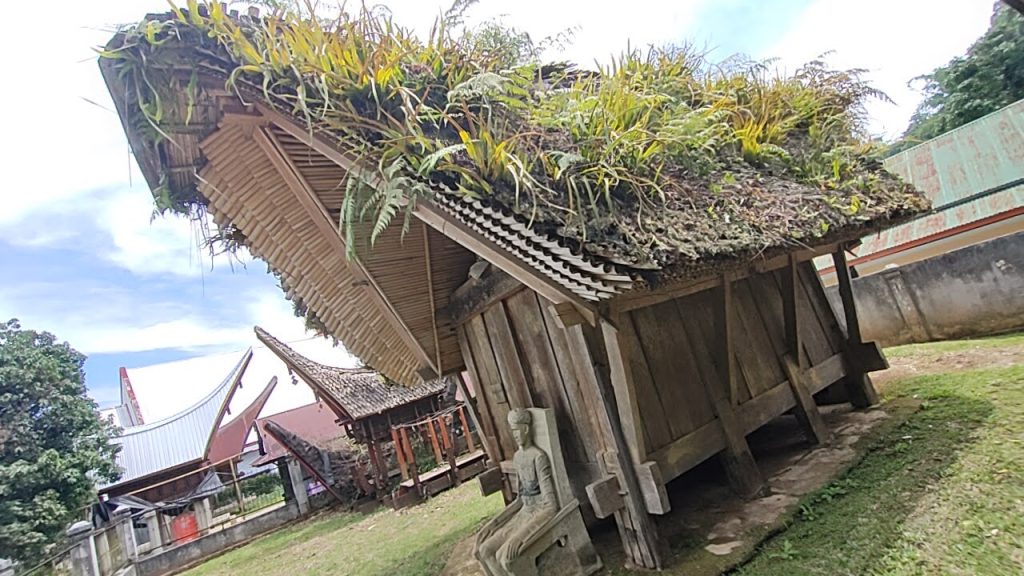
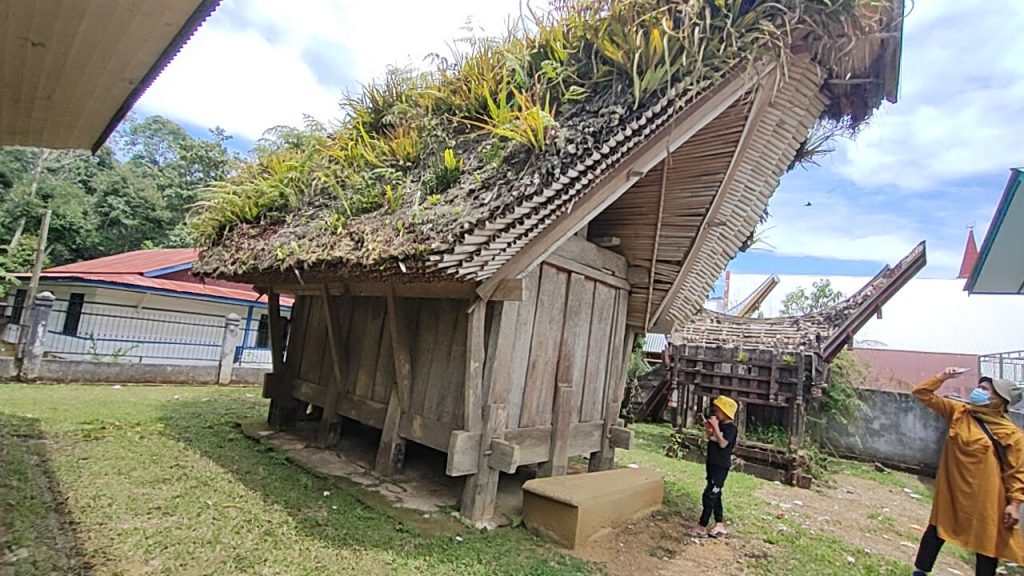
Old Patane is a traditional Torajan burial structure located in Pangli, Sesean, North Toraja.
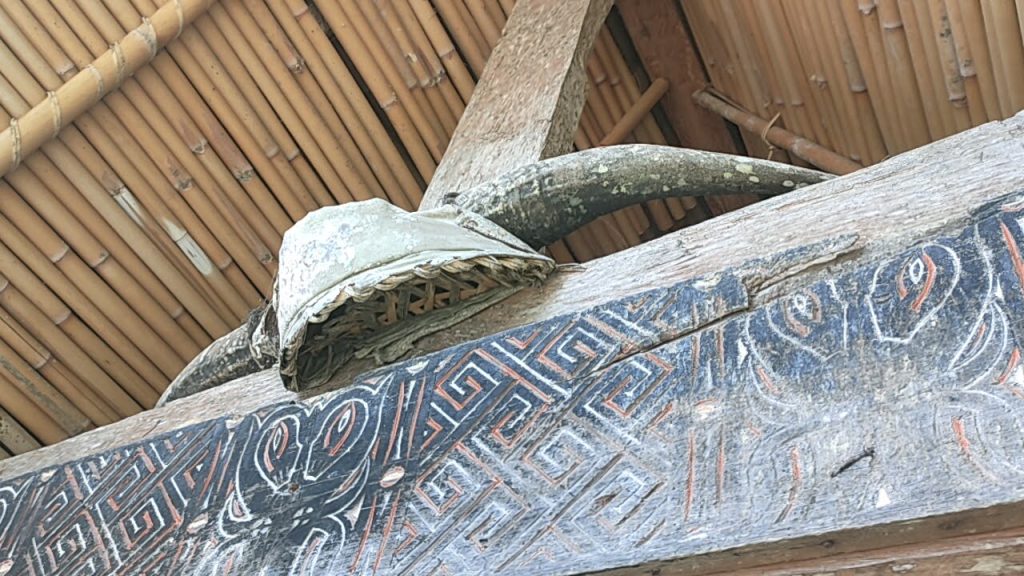
In Torajan culture, a patane is a special burial building used to preserve the remains of deceased family members. Unlike ordinary graves, patane structures are often designed with architectural features inspired by traditional Tongkonan houses.
Their distinctive roofs and traditional construction reflect the importance of ancestral heritage in Torajan society.
Old Patane in Pangli is particularly interesting because of its historical association with Pong Massangka, also known by the traditional name Ne’ Babu’.
For visitors, this site provides an opportunity to understand how Torajan communities honour their ancestors and preserve historical memories through traditional burial structures.
Old Patane is not simply a cemetery. It represents family heritage, traditional beliefs, and the cultural identity of the local community.
The Historical Story of Pong Massangka
One of the most interesting aspects of visiting Old Patane is learning about the historical figure associated with the site: Pong Massangka.
Pong Massangka, also known as Ne’ Babu’, is remembered in local historical narratives connected to an important period in Toraja’s colonial history.
His name is associated with the death of Dutch missionary Arie A. van de Loosdrecht in 1917, an event that became an important episode in the history of missionary activity and colonial relations in Toraja.
Historical accounts describe Pong Massangka as one of the people accused in connection with the incident. He was reportedly sentenced to exile and sent away from Toraja.
According to accounts of his life, he eventually returned to the region around 1930 and died in 1960.
Some local stories suggest that he lived to approximately 120 years old, although historical age estimates should be treated with caution.
His story reflects a complicated period in Toraja when local communities experienced significant political, religious, and social changes under Dutch colonial administration.
For travellers interested in history, learning about Pong Massangka offers a different perspective on the region beyond its traditional architecture and famous funeral ceremonies.
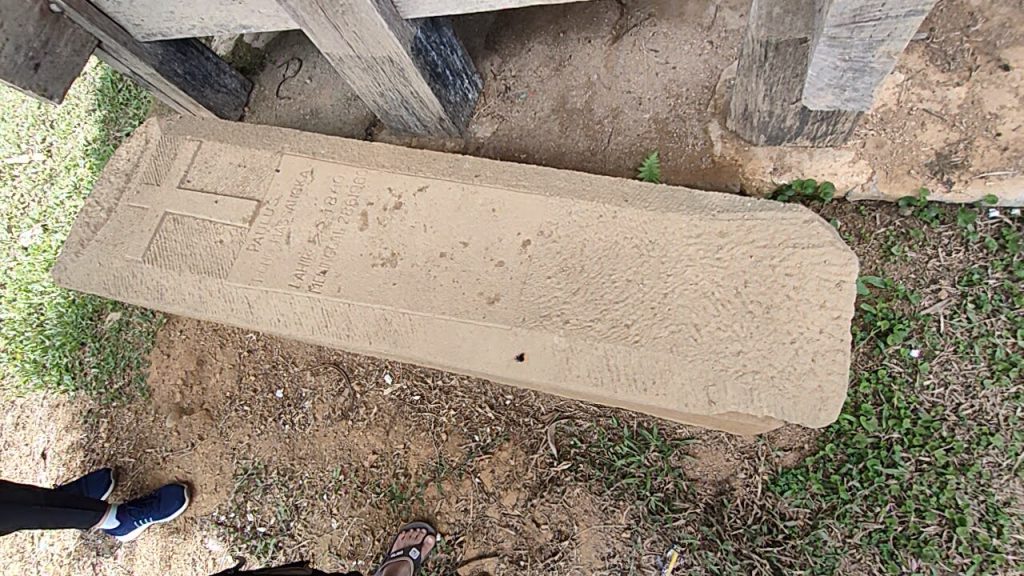
The Pong Massangka Stone Statue
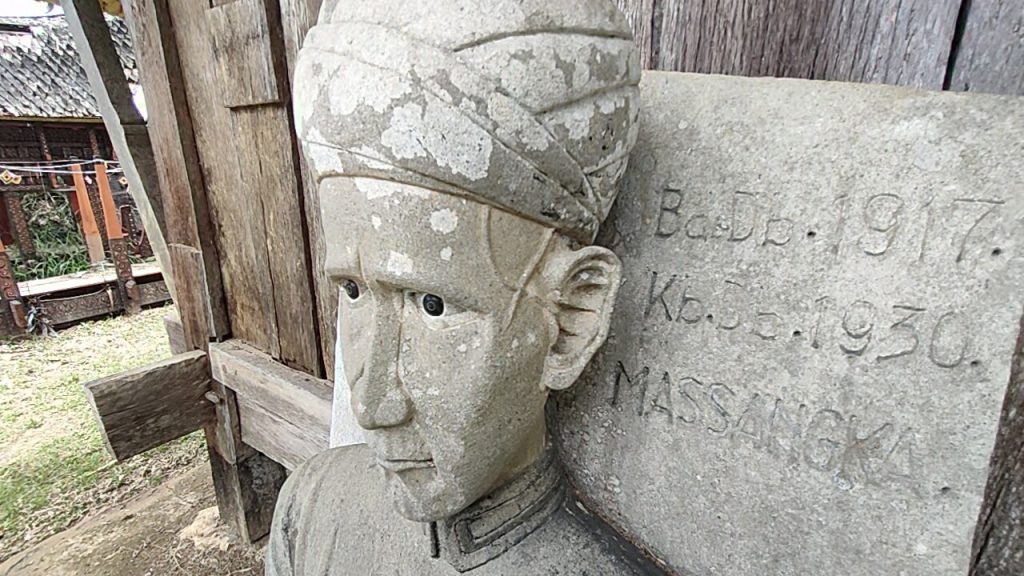
The Pong Massangka Statue is one of the most distinctive features of this historical site.
Torajan burial traditions include statues known as tau-tau, which represent deceased individuals and preserve their memory. These figures are traditionally associated with the burial customs of certain Torajan communities.
The statue at Pangli is particularly interesting because it is carved from stone, offering a different appearance from the wooden tau-tau figures commonly associated with Torajan burial sites.
Its presence near Old Patane creates a distinctive historical setting.
Visitors can observe the statue’s craftsmanship and learn about the cultural relationship between traditional sculpture, ancestral remembrance, and burial architecture.
The statue also provides an opportunity to discuss how Torajan communities preserve the memory of important individuals through monuments and traditional cultural practices.
Understanding the Importance of Patane in Torajan Culture
To appreciate Old Patane, visitors should understand the importance of ancestral traditions in Torajan society.
For the Torajan people, family relationships do not simply end when someone passes away. Remembering deceased family members remains an important part of traditional culture.
Funeral ceremonies, ancestral burial places, and family gatherings reflect the close relationship between living family members and their ancestors.
A patane is one of the architectural expressions of this relationship.
Traditional patane buildings often feature designs inspired by Tongkonan houses, including distinctive roof shapes and decorative details.
Some structures accommodate several members of the same family, while others are associated with particular individuals or family lineages.
Old Patane in Pangli is therefore an interesting place to learn about traditional burial architecture and the importance of family heritage in Toraja.
Why Visit Pangli in Sesean?
Pangli offers an alternative cultural experience for visitors exploring North Toraja.
Many travellers spend their time visiting famous traditional villages and burial caves. However, smaller historical destinations such as Old Patane allow visitors to discover stories that are not always included in standard tourist itineraries.
The historical association with Pong Massangka makes this location particularly interesting for people who want to understand the complex history of Toraja.
A visit to Pangli can also provide opportunities to interact with local residents and learn more about the traditions that continue to shape everyday life in the highlands.
Instead of simply visiting a tourist attraction, travellers can explore a place with historical and cultural significance.
Sesean: A Beautiful Highland Region of North Toraja
Sesean is part of the northern highland region of North Toraja, an area known for its traditional settlements, agricultural landscapes, and beautiful mountain scenery.
The surrounding region offers visitors opportunities to experience traditional Torajan village life and explore cultural attractions away from the busier tourism areas.
One of the best-known destinations in this region is Batutumonga, famous for its spectacular mountain views and panoramic landscapes overlooking the valleys of North Toraja.
The combination of cultural heritage and natural scenery makes Sesean an attractive destination for travellers.
Pangli can be included in a cultural journey through the Sesean area, depending on available time, road conditions, and local access arrangements.
How to Visit Old Patane and the Pong Massangka Statue
Old Patane and the Pong Massangka Statue are located in Pangli, Sesean, North Toraja Regency, South Sulawesi, Indonesia.
Most international visitors begin their journey in Rantepao, the main tourism centre of North Toraja.
From Rantepao, travellers can arrange a private car with a local driver or tour guide to explore Pangli and other destinations around Sesean.
Because this is a smaller historical attraction, it is advisable to arrange the visit with someone familiar with the local area.
Hiring a local guide is particularly useful for understanding the historical background of Pong Massangka and the cultural meaning of Old Patane.
Visitors should respect the local community because the site is associated with traditional burial customs.
Always ask permission before taking photographs of restricted areas, touching historical objects, or entering the burial structure.
Best Time to Visit Old Patane
Old Patane can be included in a North Toraja itinerary throughout the year, subject to local access and weather conditions.
The dry season is generally convenient for exploring the highlands because outdoor activities and road journeys can be more comfortable.
Morning visits are recommended for travellers who want to explore several destinations in one day.
Visitors interested in photography should allow enough time to observe the architectural details of Old Patane and the stone statue.
Since this is a historical burial site, appropriate clothing and respectful behaviour are essential.
Other Attractions to Combine with Pangli
A visit to Old Patane and the Pong Massangka Statue can be combined with other cultural and natural attractions in North Toraja.
Batutumonga: A beautiful highland destination famous for panoramic mountain scenery, traditional villages, and spectacular views over the valleys of North Toraja.
Kete Kesu: One of the most famous traditional Torajan villages, featuring Tongkonan houses, rice barns, and ancestral burial sites.
Pallawa: A traditional village known for its historic Tongkonan architecture and distinctive Torajan cultural heritage.
Lo’ko Mata: An impressive rock formation used as a traditional burial site, featuring numerous burial chambers carved into the stone.
Londa: A famous burial cave where visitors can discover traditional Torajan burial customs and historical coffins.
Bori’ Kalimbuang: A cultural heritage destination famous for its collection of standing megalithic stones associated with traditional Torajan ceremonies.
Combining these destinations provides a more complete experience of North Toraja, from traditional architecture and burial traditions to historical monuments and spectacular landscapes.
Discover the Hidden Historical Heritage of North Toraja
Toraja is much more than its famous funeral ceremonies, traditional houses, and popular tourist attractions.
Every village, ancestral cemetery, and historical monument has stories that help explain the identity and history of the Torajan people.
Old Patane and the Pong Massangka Statue in Pangli, Sesean, offer an opportunity to discover one of the lesser-known historical attractions of North Toraja.
The traditional burial structure, distinctive stone statue, and historical stories associated with Pong Massangka make this destination interesting for travellers who want to explore Toraja beyond the usual tourist route.
If you are planning a cultural journey through North Toraja, consider including Pangli in your itinerary.
Discover the history, appreciate the local traditions, and experience the cultural heritage that makes Toraja one of Indonesia’s most fascinating destinations.
Explore North Toraja with a Local Guide
Discover traditional villages, historical burial sites, mountain landscapes, and authentic Torajan culture with a local private tour guide. Explore famous attractions and lesser-known historical destinations while learning the stories behind the unique heritage of the Torajan people.