
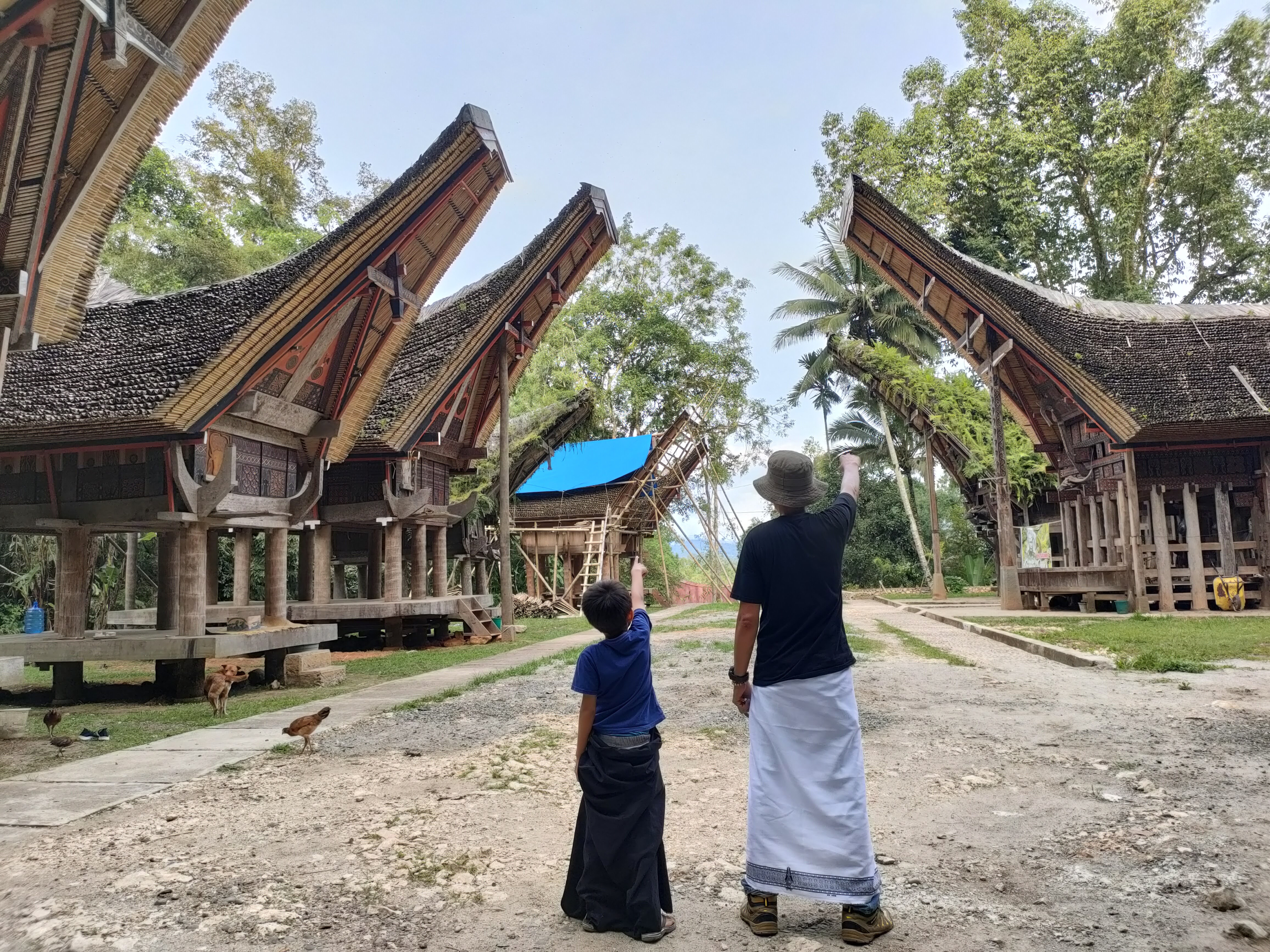
Buntu Pune is one of the fascinating historical and cultural attractions in North Toraja, South Sulawesi, Indonesia. Located in Ba’tan Village, Kesu’ District, North Toraja Regency, this archaeological heritage site offers visitors an opportunity to explore traditional architecture, ancient burial traditions, and the historical legacy of the Torajan people.
Although many international travelers visiting Toraja are familiar with popular destinations such as Kete Kesu’, Londa, and Lemo, Buntu Pune offers a different experience. It is not simply a traditional settlement but also a historical complex associated with an influential Torajan nobleman, Siambe’ Pong Maramba’.
Established around 1880, Buntu Pune preserves an important chapter of Torajan history. Its traditional Tongkonan houses, rice barns, ancient graves, and former defensive structures provide a glimpse into the social organization, architecture, and way of life of the Torajan community in the nineteenth century.
For travelers interested in cultural tourism, archaeology, traditional architecture, and local history, Buntu Pune deserves a place on their North Toraja travel itinerary.
1. Where Is Buntu Pune Located?
Buntu Pune is situated in Ba’tan Village, Kesu’ District, North Toraja Regency, South Sulawesi Province, Indonesia.
The attraction is approximately 3 kilometers south of Rantepao, the main town and tourism center of North Toraja. Its location is relatively close to Kete Kesu’, one of the most famous traditional villages in the region.
Because of its proximity to Rantepao, visiting Buntu Pune is relatively easy. Travelers can reach the site by private car, motorcycle, or local transportation. The journey from central Rantepao generally takes around 10 minutes, depending on traffic and road conditions.
Its convenient location makes Buntu Pune an excellent destination for visitors who want to explore several cultural attractions within a single day.
Travelers can combine a visit to Buntu Pune with other destinations around Kesu’ District, including traditional villages, ancient burial sites, and local handicraft centers.
2. The Historical Background of Buntu Pune
The history of Buntu Pune is closely associated with Siambe’ Pong Maramba’, a prominent Torajan nobleman and traditional leader who played an influential role in the region between approximately 1880 and 1916.
According to local historical accounts, the Buntu Pune settlement was established in 1880 under his leadership.
During that period, traditional settlements in Toraja were not merely residential areas. They also represented family identity, social status, political authority, and the relationship between ancestral traditions and community life.
As an influential nobleman, Siambe’ Pong Maramba’ established Buntu Pune as a settlement for his family, followers, and guards.
The complex gradually developed into an important center of traditional authority and community activities.
Its historical significance is reflected in the traditional buildings and defensive structures that remain part of the site today.
Visiting Buntu Pune allows travelers to understand that Torajan architecture is not simply about beautiful wooden houses. Every building, courtyard, rice barn, and burial structure has a cultural meaning connected to the community’s history.
3. The Meaning Behind the Name Buntu Pune
The name Buntu Pune has an interesting connection with the natural environment surrounding the settlement.
In the Torajan language, the word Buntu means hill, while Pune refers to the tree fern or giant fern belonging to the genus Alsophila.
Historically, these plants were reportedly abundant in the area.
The combination of these two words gives the name Buntu Pune a geographical meaning associated with a hill where tree ferns once grew.
This naming tradition reflects the close relationship between the Torajan people and their natural surroundings.
Across Toraja, many geographical names are connected to mountains, rivers, plants, animals, and other elements of the landscape.
For visitors, understanding the meaning of local place names provides another way to appreciate the cultural identity of the region.
4. Buntu Pune as a Historical Fortress
One of the most interesting aspects of Buntu Pune is its historical function as a defensive settlement.
Apart from serving as a residential complex for Siambe’ Pong Maramba’ and his followers, the site also functioned as a traditional fortress known as Benteng Kaluku Buntu Pune.
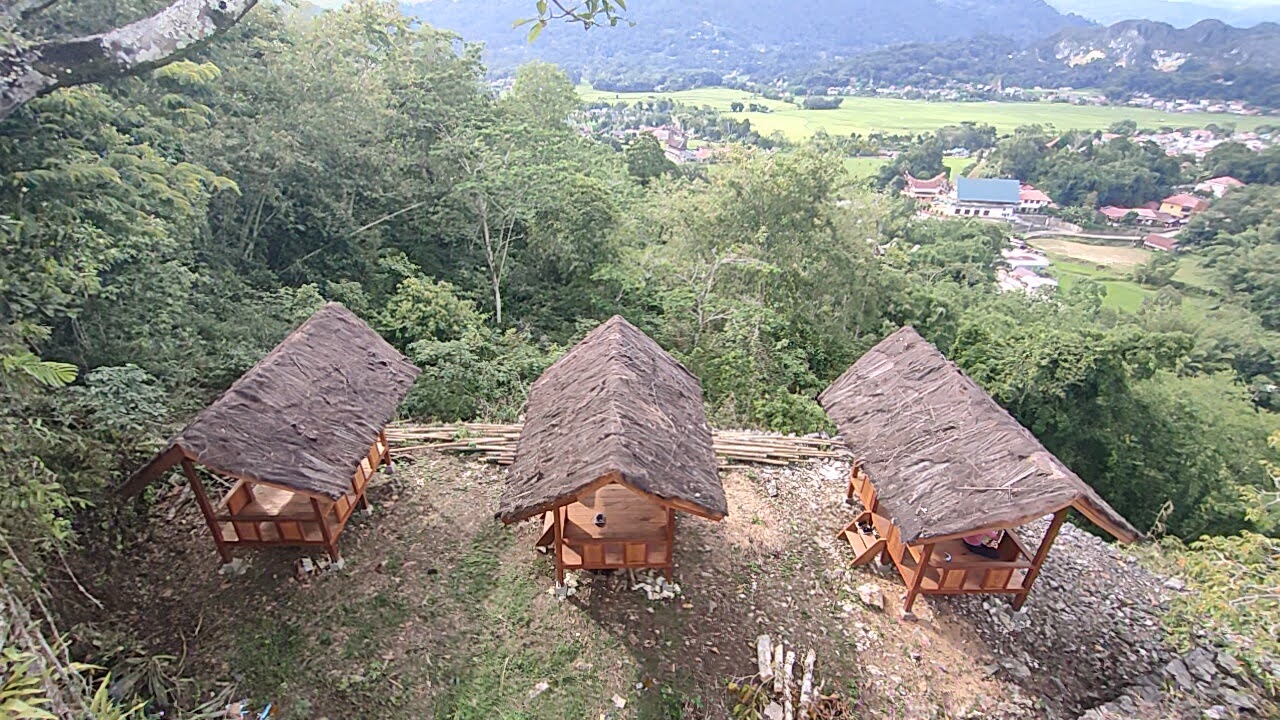
Its elevated geographical position provided an advantage for observing the surrounding area.
According to local historical accounts, the fortress was used as a strategic observation point to monitor approaching enemies and protect the settlement.
During the colonial period, defensive locations such as this were important for local leaders seeking to maintain control over their territories and protect their communities.
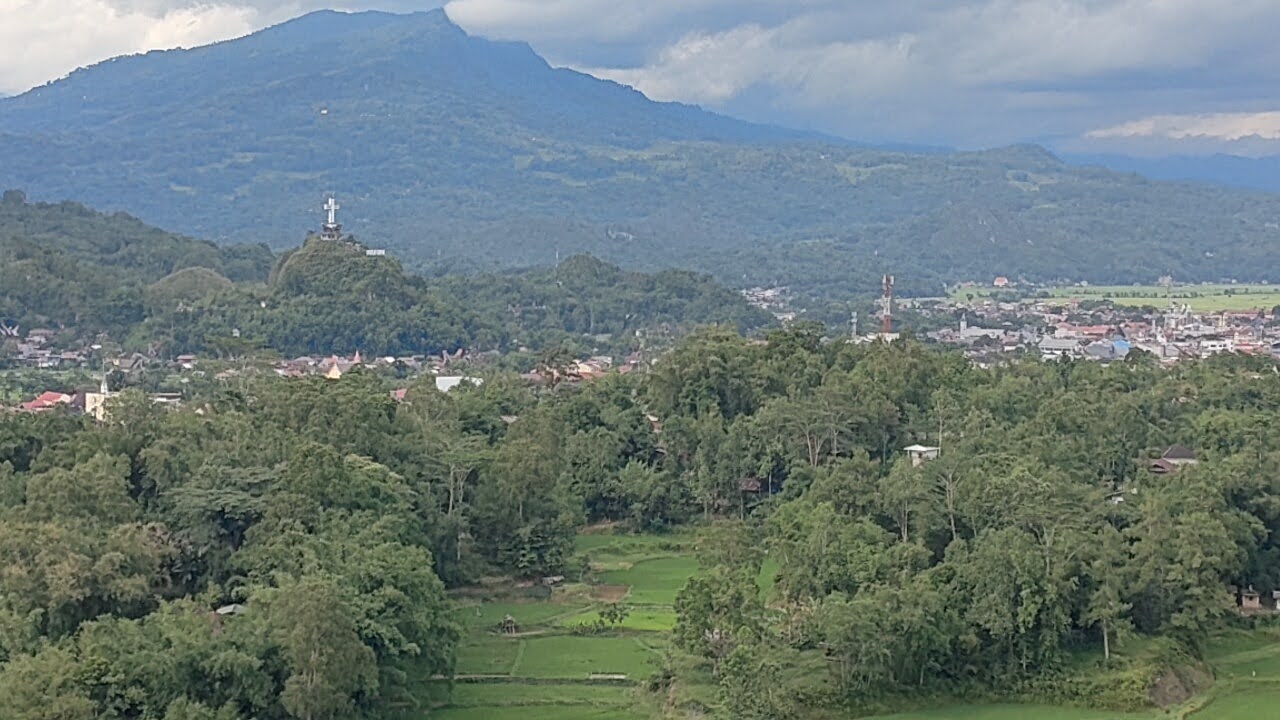
The elevated position of Buntu Pune allowed people to observe the surrounding landscape from a considerable distance.
One of the most memorable experiences for visitors today is climbing approximately 176 steps to reach the upper section of the former fortress.
The climb offers an opportunity to explore the historical landscape while enjoying views of the surrounding settlement and Rantepao.
For travelers who enjoy combining cultural exploration with light physical activity, this staircase provides an additional attraction.
However, visitors should take care when climbing, particularly during rainy weather or when the steps are slippery.
5. The Traditional Tongkonan Houses of Buntu Pune
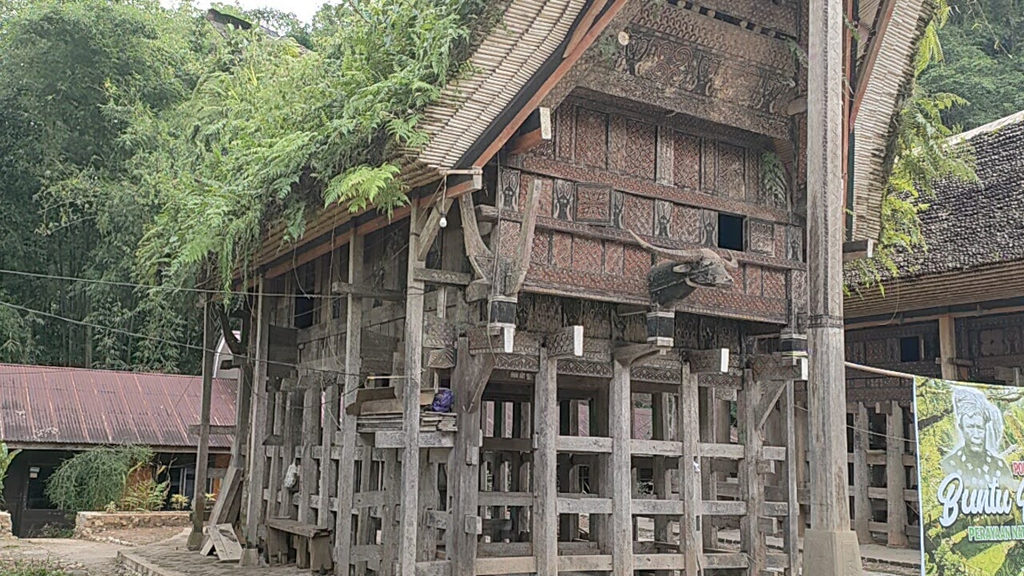
The traditional Tongkonan houses are among the most important attractions at Buntu Pune.
Tongkonan is the traditional ancestral house of the Torajan people. It represents family identity, social relationships, cultural heritage, and ancestral connections.
The architecture is easily recognizable through its distinctive boat-shaped roof, elaborate wooden carvings, and elevated structure.
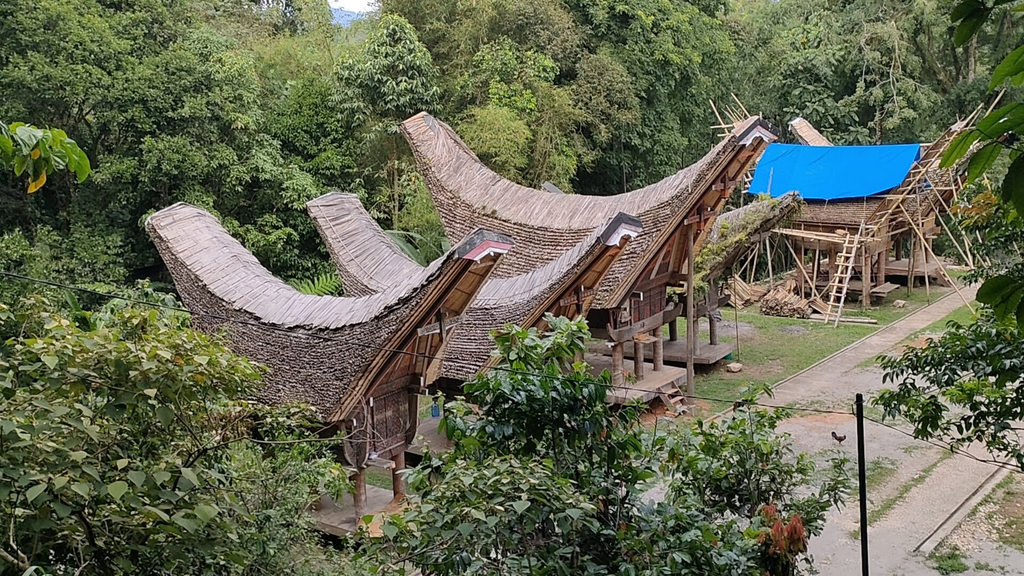
At Buntu Pune, two major Tongkonan buildings are particularly noteworthy:
Tongkonan Kamiri
Located on the western side of the complex, Tongkonan Kamiri is one of the principal traditional houses at Buntu Pune.
Its presence reflects the historical importance of the family and the traditional settlement established by Siambe’ Pong Maramba’.
Tongkonan Potok Sia
Situated on the eastern side, Tongkonan Potok Sia is another important Tongkonan building within the historical complex.
Together, these two structures form an important part of Buntu Pune’s architectural heritage.
Traditional Tongkonan houses are more than residential buildings. They serve as places where family histories are preserved and where important cultural ceremonies and traditional gatherings may take place.
The decorative carvings on their wooden walls also communicate cultural values and traditional beliefs.
For photographers and architecture enthusiasts, the Tongkonan buildings offer excellent opportunities to appreciate the details of traditional Torajan craftsmanship.
Visitors should remember that these structures are part of a living cultural heritage. Respecting local customs and asking permission before entering private or restricted areas is important.
6. Seven Traditional Rice Barns (Alang)
Another distinctive feature of Buntu Pune is its collection of seven traditional rice barns, locally known as alang.
In Torajan culture, rice barns are important agricultural structures that reflect the community’s traditional farming practices and social organization.
The alang is commonly built with an elevated wooden structure and a roof resembling the architectural style of Tongkonan houses.
The space beneath the rice barn is traditionally used for various household activities and can also provide shelter.
Rice has always played an important role in Torajan society. Beyond being a staple food, it has cultural and economic significance and is closely associated with traditional ceremonies and community life.
The arrangement of Tongkonan houses and alang within a traditional settlement also reflects the social structure of the community.
At Buntu Pune, the seven rice barns provide visitors with an opportunity to observe the relationship between traditional architecture, agriculture, and the everyday life of the Torajan people.
For international travelers, this is an excellent opportunity to learn about rural Indonesian architecture beyond the more familiar tourist attractions.
7. Ancient Torajan Burial Traditions at Buntu Pune
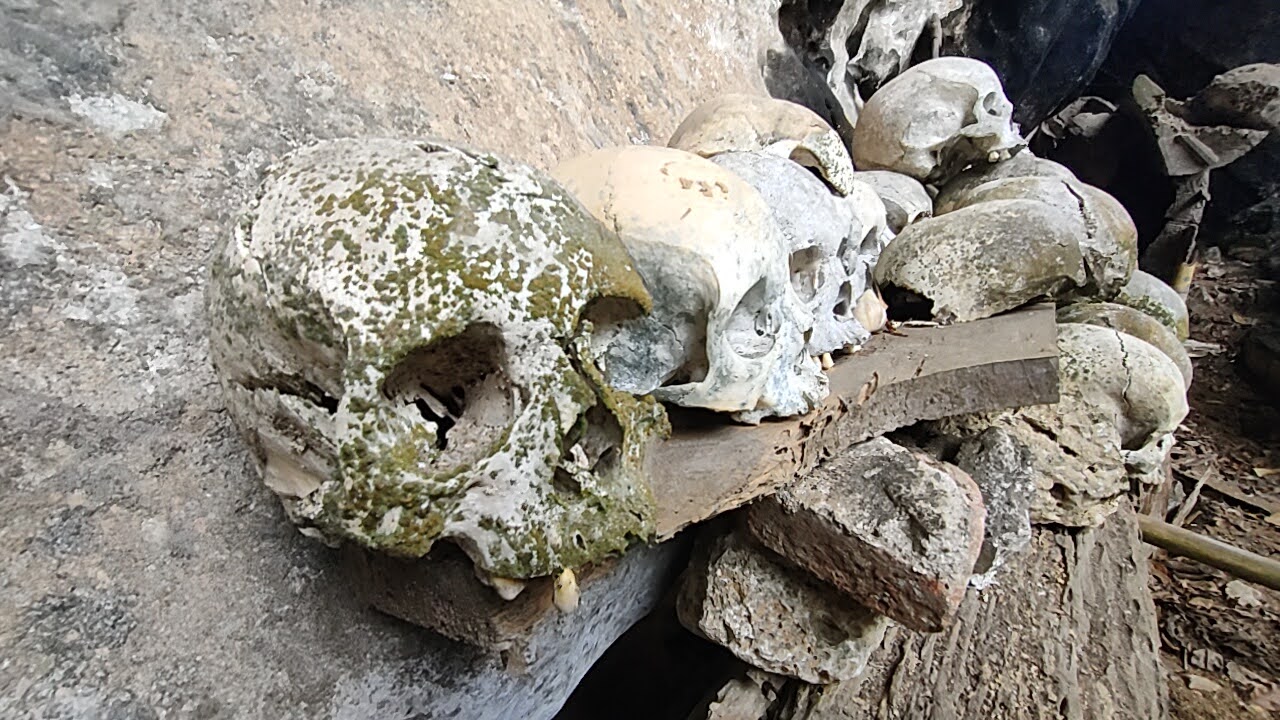
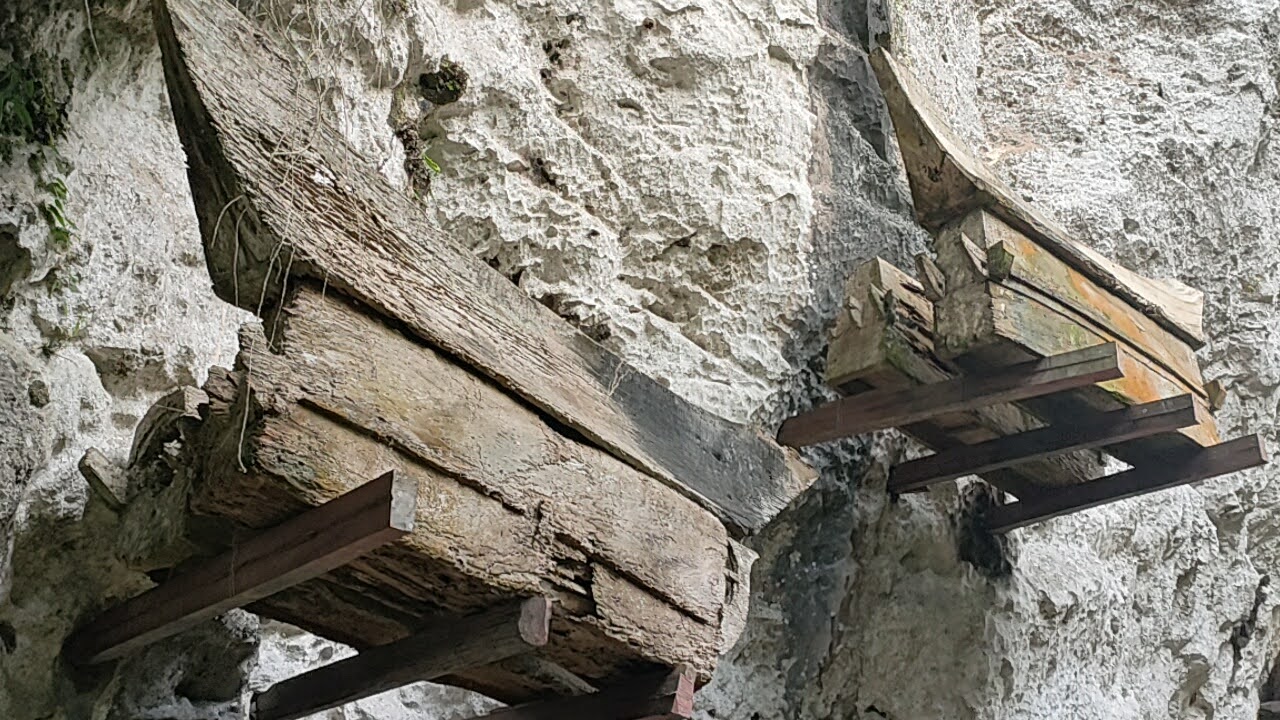
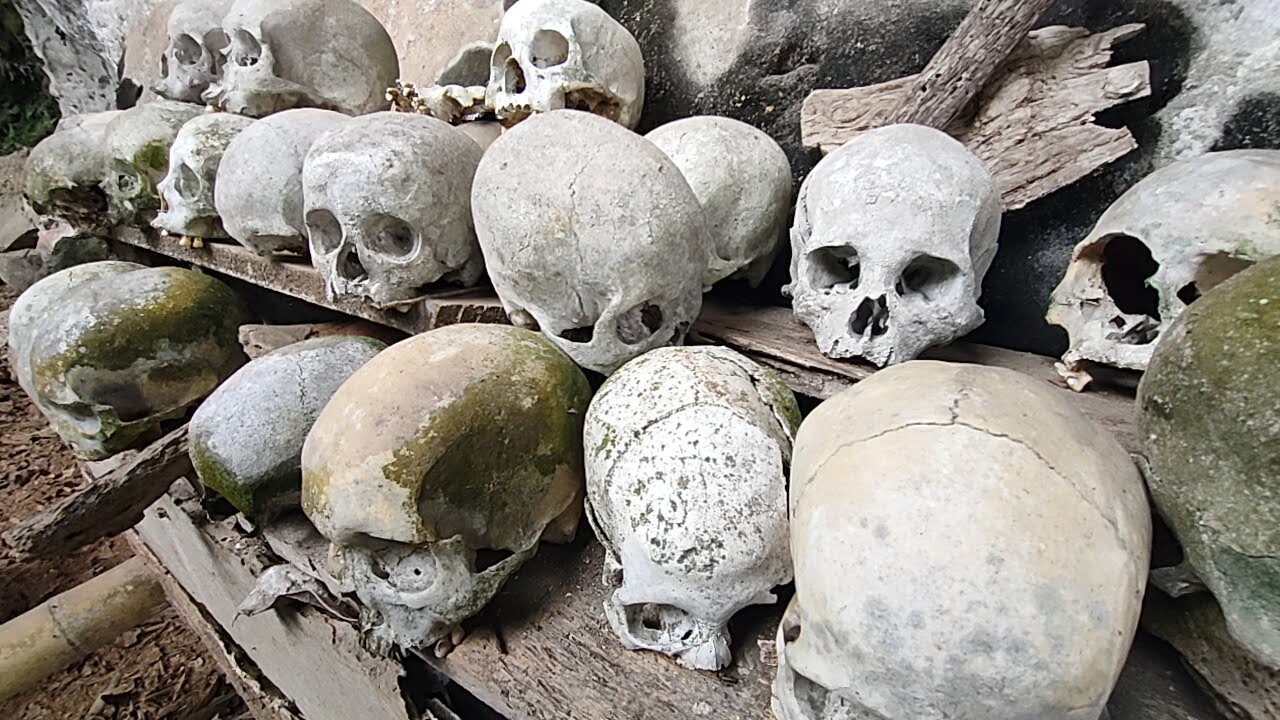
One of the most fascinating attractions at Buntu Pune is its traditional burial complex.
Toraja is internationally recognized for its unique funeral traditions and ancient burial practices. These traditions are closely connected to the Torajan understanding of family, ancestry, and the relationship between the living and the deceased.
At Buntu Pune, visitors can observe traditional burial structures and ancient coffins known as patane.
These structures come in various shapes and forms, demonstrating the creativity and cultural symbolism of traditional Torajan burial architecture.
Some of the coffins are decorated or shaped to resemble animal heads, including buffaloes and pigs. Others take the form of miniature Tongkonan houses.
Their placement also varies. Some burial structures are positioned on the ground, while others are suspended or placed within the walls of rocky hills.
These burial practices reflect the traditional belief system and social identity of the Torajan community.
The Significance of Patane
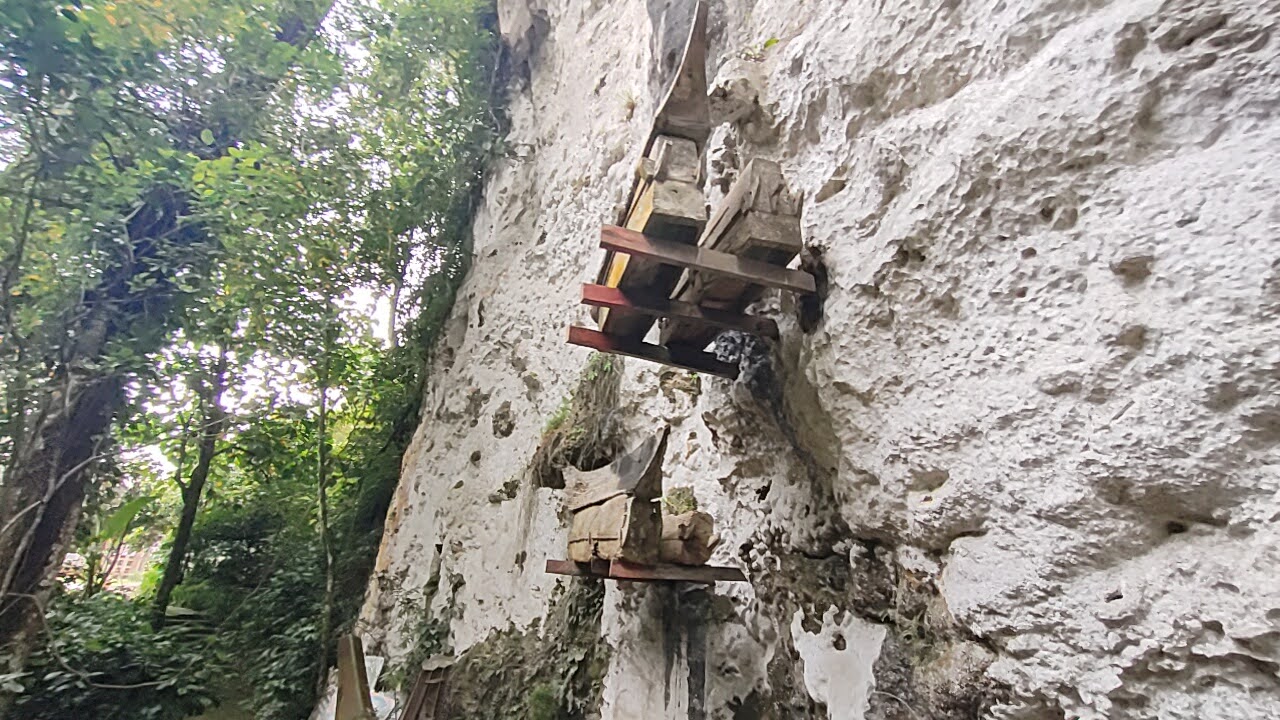
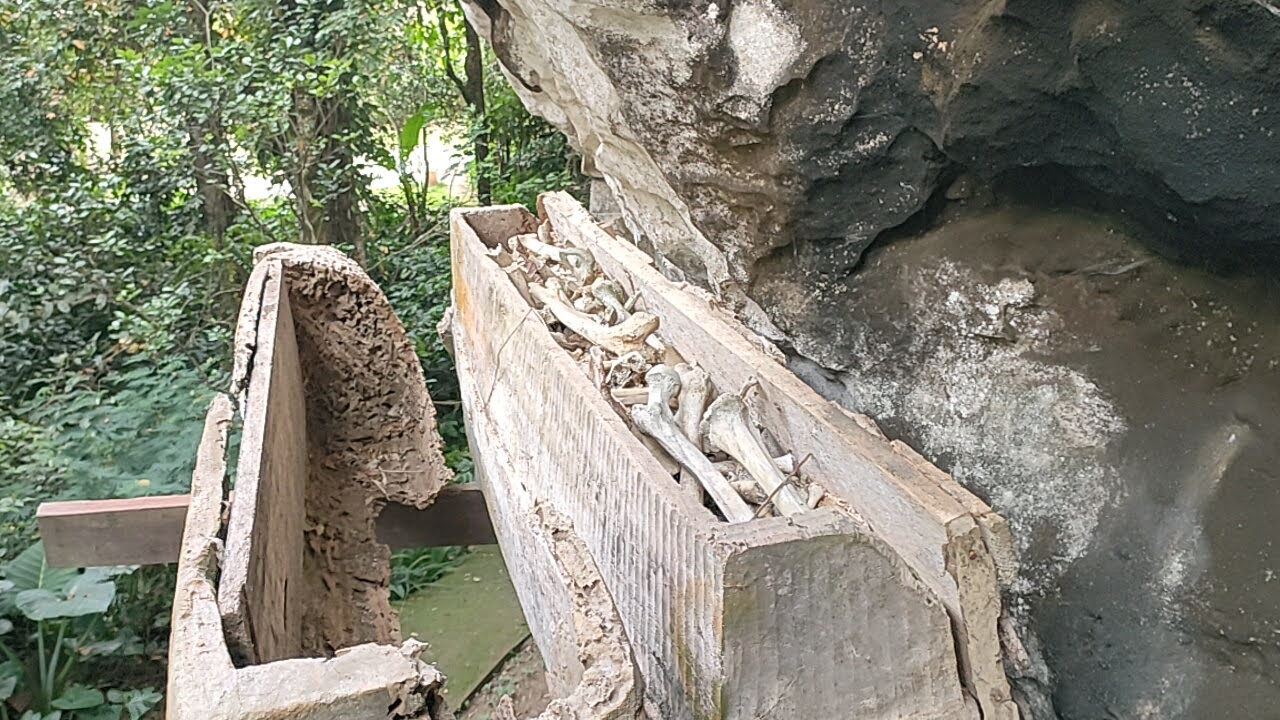
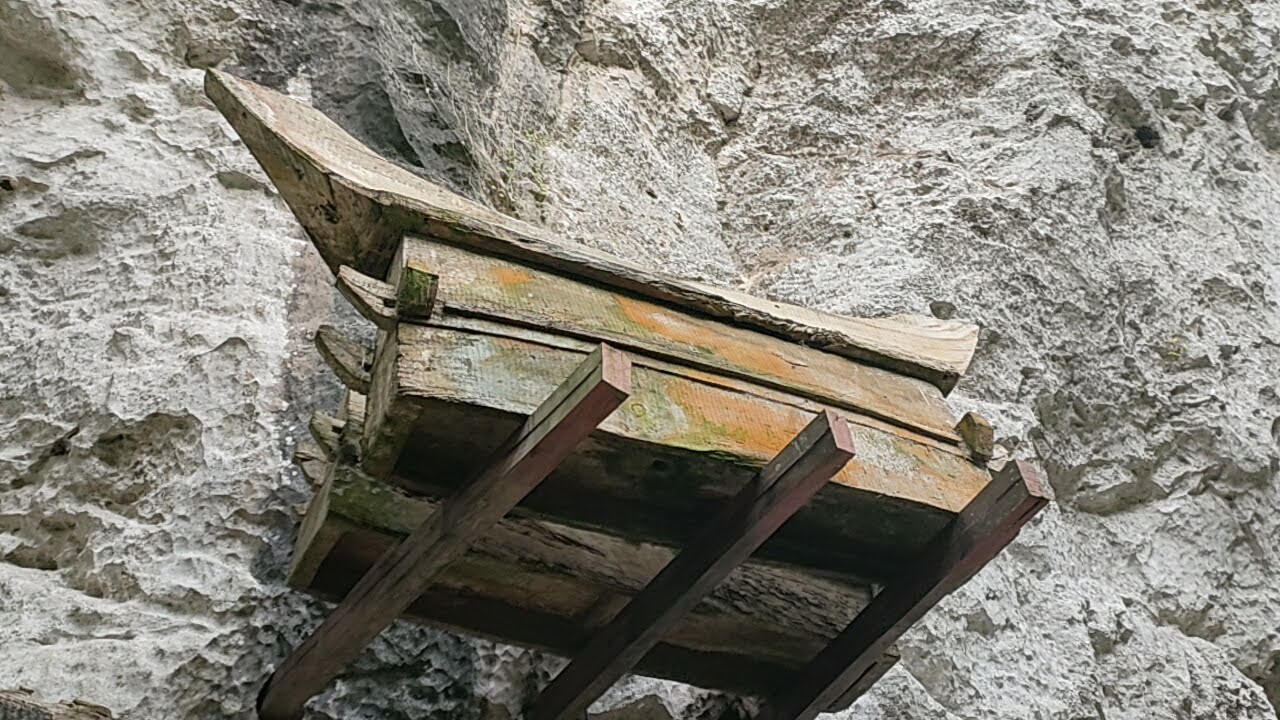
A patane is a traditional burial structure used to house the remains of deceased family members.
In Toraja, burial places are not simply locations where people are laid to rest. They also represent family connections and ancestral heritage.
The construction and decoration of burial structures can reflect the family’s social status, cultural identity, and traditional values.
Some burial structures are designed with considerable attention to detail, demonstrating the importance attached to ancestral remembrance.
For visitors, Buntu Pune offers an opportunity to learn about these traditions in a historical setting.
It is important to approach the burial area with respect. Visitors should avoid touching ancient coffins, disturbing burial structures, or photographing people and family ceremonies without permission.
8. What Makes Buntu Pune Different from Kete Kesu’?
Many tourists visiting North Toraja include Kete Kesu’ in their itinerary because it is one of the region’s most famous traditional villages.
Both Buntu Pune and Kete Kesu’ offer opportunities to discover traditional Tongkonan architecture and Torajan cultural heritage.
However, they have different historical characteristics and visitor experiences.
Kete Kesu’ is widely known for its traditional village atmosphere, ancestral houses, rice barns, and ancient burial complex, including cliffside graves and tau-tau statues.
Buntu Pune, meanwhile, has a particularly interesting historical association with Siambe’ Pong Maramba’ and its former defensive function.
The presence of the old fortress, approximately 176 steps, two principal Tongkonan houses, seven rice barns, and traditional burial structures makes Buntu Pune a distinctive historical destination.
For travelers who want to understand more about the history of Torajan settlements and traditional leadership, visiting both places can provide a more complete cultural experience.
Rather than choosing one over the other, visitors can explore Buntu Pune and Kete Kesu’ as complementary destinations.
9. Best Time to Visit Buntu Pune
Buntu Pune can generally be visited throughout the year.
However, the most comfortable time for exploring the site is usually during the dry season, when walking around the traditional settlement and climbing the fortress stairs can be easier.
Morning visits are particularly recommended for travelers who want to explore the area in comfortable temperatures.
The late afternoon can also be an attractive time for photography, especially when natural light highlights the traditional wooden architecture.
If you are planning to visit several destinations in North Toraja, it is advisable to start early in the morning.
This allows enough time to explore Buntu Pune, Kete Kesu’, and other nearby attractions without rushing.
Visitors should wear comfortable walking shoes, bring drinking water, and respect any local rules concerning access to historical buildings and burial areas.
10. How to Get to Buntu Pune from Makassar
For international travelers arriving in South Sulawesi, Makassar is the main gateway to North Toraja.
The journey from Makassar to Rantepao takes approximately 8–10 hours by road, depending on traffic, weather, and transportation conditions.
There are several ways to travel from Makassar to Toraja.
By Overnight Bus
Overnight buses are a popular transportation option for travelers who want to save daytime hours.
Several bus operators serve the Makassar–Rantepao route, with departures generally available in the evening.
Passengers can travel overnight and arrive in the Rantepao area the following morning.
By Private Car
Travelers who prefer flexibility can arrange private transportation from Makassar to Toraja.
A private vehicle allows visitors to stop at scenic locations, traditional villages, and other attractions along the way.
By Private Tour
Booking a private Toraja tour is another convenient option, particularly for international visitors who want assistance with transportation, local guides, accommodation, and sightseeing arrangements.
Once in Rantepao, Buntu Pune is only around 3 kilometers from the town center and can be reached in approximately 10 minutes by vehicle.
11. Suggested Toraja Tour Itinerary Including Buntu Pune
Buntu Pune can easily be included in a cultural sightseeing itinerary around North Toraja.
Here is an example of a one-day tour combining several important historical and cultural destinations.
| Time | Activity |
|---|---|
| 08:00 | Breakfast in Rantepao |
| 08:30 | Visit Buntu Pune historical site |
| 09:30 | Explore Kete Kesu’ traditional village |
| 11:00 | Visit Londa ancient burial caves |
| 12:30 | Lunch at a local restaurant |
| 14:00 | Explore Lemo traditional burial site |
| 15:30 | Visit a traditional Torajan village |
| 17:00 | Return to Rantepao |
This itinerary can be adjusted depending on travel preferences, weather conditions, local ceremonies, and the availability of cultural sites.
Travelers interested in Torajan funeral traditions may also wish to attend a traditional ceremony such as Rambu Solo’, provided that a ceremony is taking place and the family welcomes visitors.
12. Why Should You Visit Buntu Pune?
Buntu Pune is worth visiting because it offers more than beautiful traditional houses.
It provides an opportunity to discover the historical development of Torajan settlements, the role of traditional leaders, and the cultural values preserved through architecture and burial practices.
There are several reasons why Buntu Pune deserves attention from travelers:
- Historical importance: Discover the legacy of Siambe’ Pong Maramba’ and the history of a traditional Torajan settlement established around 1880.
- Traditional architecture: Observe the distinctive Tongkonan houses and seven traditional rice barns.
- Ancient burial heritage: Learn about traditional patane coffins and Torajan ancestral burial customs.
- Historical fortress: Explore the former defensive area and climb approximately 176 steps.
- Convenient location: Visit a fascinating historical attraction just 3 kilometers from Rantepao.
- Cultural photography: Capture the architectural details and traditional atmosphere of North Toraja.
For cultural travelers, historians, photographers, and anyone interested in Indonesian heritage, Buntu Pune offers a meaningful experience.
Conclusion: Discover the Hidden Historical Heritage of North Toraja
Buntu Pune is an important historical and cultural destination that deserves greater recognition among international travelers exploring North Toraja.
From the legacy of Siambe’ Pong Maramba’ to the traditional Tongkonan houses, seven rice barns, ancient patane coffins, and historical fortress, this site preserves many aspects of Torajan cultural heritage.
Its location near Rantepao also makes it easy to include in a broader sightseeing itinerary covering Kete Kesu’, Londa, Lemo, and other famous attractions.
While many visitors come to Toraja to see its dramatic landscapes, traditional funerals, and ancient burial sites, exploring places such as Buntu Pune provides a deeper understanding of the people and history behind this remarkable cultural destination.
When planning your next journey to Toraja, do not miss the opportunity to discover Buntu Pune — a historical hill that preserves the stories, traditions, and heritage of the Torajan people.

Maybe you are interested in reading the following article:
Experience the Sacred Rambu Solo’ Ceremony in Toraja: Join Our Exclusive Cultural Tour from Makassar (2026–2027)
Toraja is one of Indonesia’s most fascinating cultural destinations, famous for its extraordinary traditions, traditional wooden houses, dramatic mountain landscapes, and unique funeral ceremonies. Among its most remarkable cultural events is Rambu Solo’, a traditional Torajan funeral ceremony that reflects the community’s deep respect for family, ance... read more
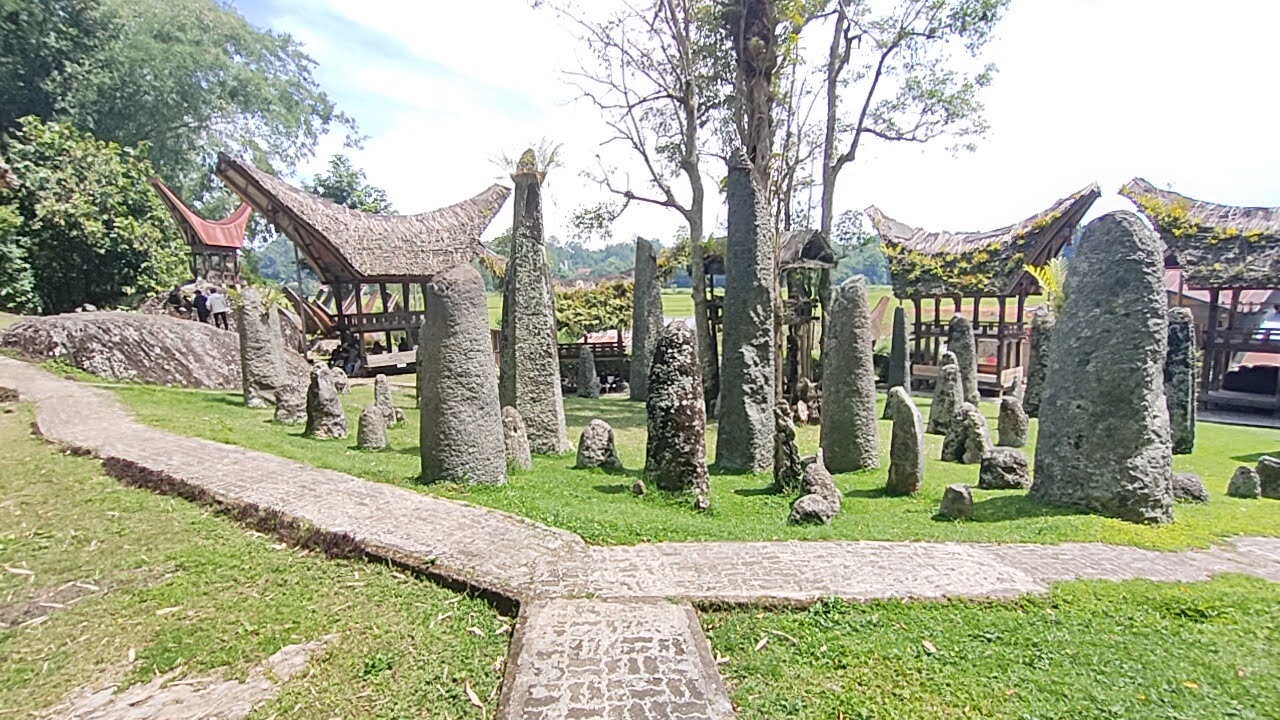
Rante Kalimbuang Bori’: Exploring the Ancient Megalithic Site of Toraja, Indonesia
Rante Kalimbuang Bori’, also widely known as Bori Parinding or Bori’ Megalithic Site, is one of the most remarkable cultural and historical attractions in North Toraja, South Sulawesi, Indonesia. Located in Bori Village, Sesean District, approximately 5–8 kilometres north of Rantepao, this extraordinary destination offers visitors an opportunit... read more
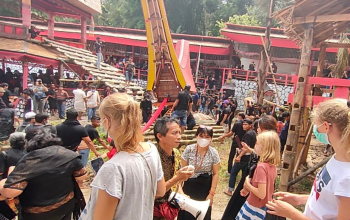
Rambu Solo’ Toraja Schedule December 2026 – January 2027: The Best Time to Experience Toraja’s Traditional Funeral Ceremony
Rambu Solo’ Toraja is one of the most fascinating traditional ceremonies in Indonesia. For international travelers planning to visit Tana Toraja and North Toraja, attending a Rambu Solo’ ceremony offers a rare opportunity to witness the unique culture, ancestral traditions, and social values of the Torajan people. If you are looking for the Rambu Solo’... read more

Contact Us
If you have any questions, please contact us.
-
Hotline
+62881080121080 -
Whatsapp
+62881080121080 -
Messenger
amiralmaruzy -
LINE ID
torajatravelguide -
Email
amiruddinemail@gmail.com


No comment yet