 ambetoraja
Toraja, in South Sulawesi, Indonesia, is famous for its extraordinary funeral traditions, ancient customs, and unique cultural heritage. Among the most fascinating traditions is the practice of burying deceased babies inside the trunks of living trees, known locally as Passiliran. This ancient tradition reflects the cultural beliefs of the Torajan people and their close relationship with nature, life, death, and the spiritual world. For international travellers visiting Tana Toraja, the Baby Tree Grave is one of the most interesting cultural attractions to discover. Many visitors have heard about Kambira Baby Tree Grave, located in Tongko Sarapung, Sangalla, which is widely recognised as one of the most famous examples of this tradition.
However, there is no need to be disappointed if you are looking for other places to discover this remarkable cultural heritage. Baby tree burial sites can be found in several locations across Toraja. One alternative worth exploring is the baby tree burial site in Turunan, Sangalla, Tana Toraja. These locations offer visitors an opportunity to learn more about traditional Torajan funeral customs, local history, and the beliefs that have shaped the community for generations.
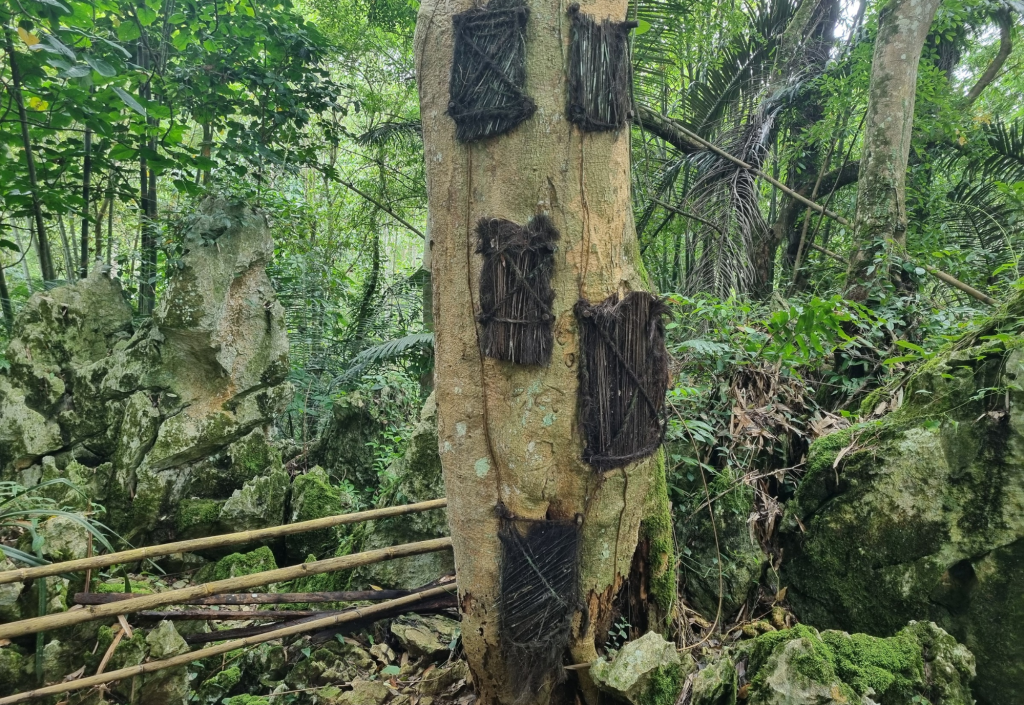
What Is the Toraja Baby Tree Burial Tradition?
The baby tree burial tradition is one of the most distinctive cultural practices associated with the Torajan people. It is traditionally known as Passiliran, a burial practice in which deceased infants are placed inside specially prepared openings in the trunks of living trees. Unlike conventional graves, where bodies are buried underground, this tradition involves placing the infant inside a living tree. The opening is then covered with natural materials, allowing the tree to continue growing.
The tree most commonly associated with this practice is the Tarra tree. Its thick trunk makes it suitable for creating burial openings, while its natural appearance allows the burial site to remain part of the surrounding environment. Historically, this practice was associated with babies who died before developing their first teeth. According to traditional Torajan beliefs, these infants were considered pure and innocent. Their burial inside a living tree symbolised a connection with nature and the continuation of life.
The tradition is deeply connected to the spiritual worldview of the Torajan community. It reflects the belief that nature plays an important role in human existence, including the journey from life to death. Today, these burial trees are important cultural heritage sites and provide a valuable opportunity for visitors to understand the diversity of traditional Torajan funeral practices.
Kambira Baby Tree Grave in Tongko Sarapung, Sangalla
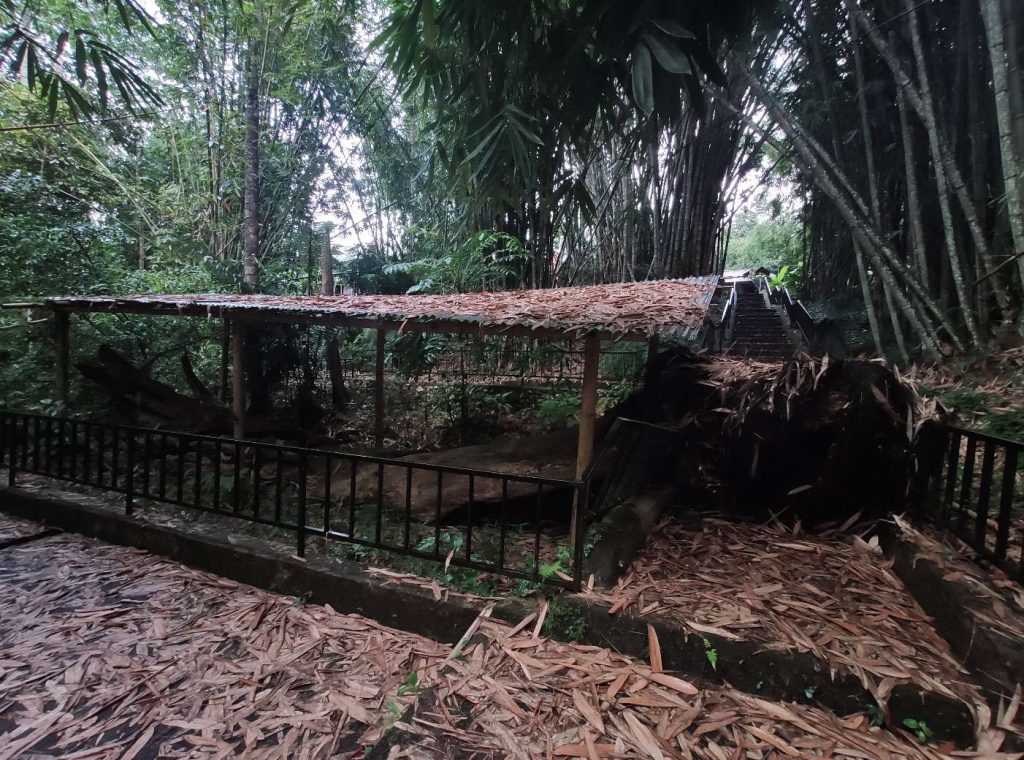
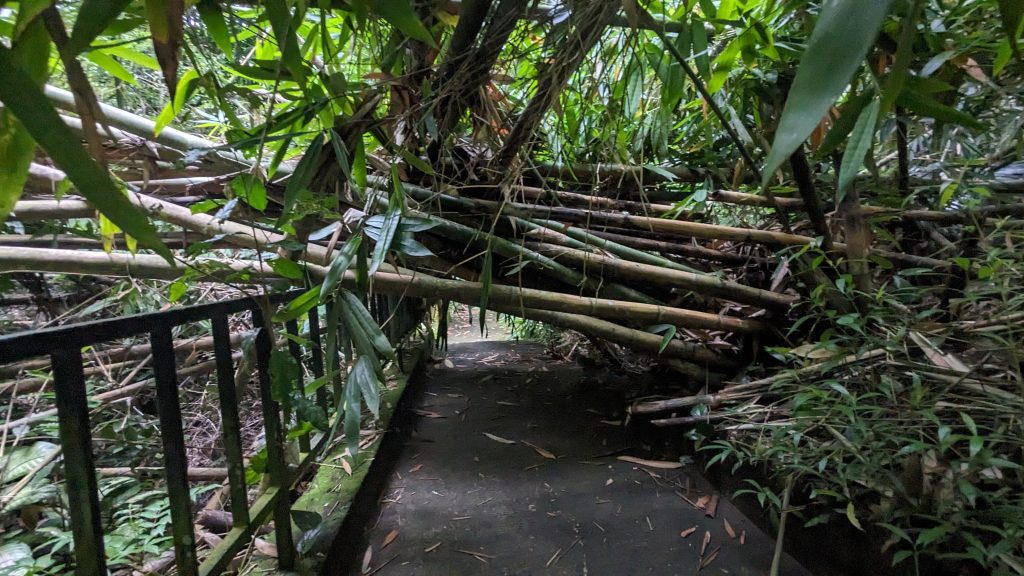
When people search online for the Toraja Baby Tree Grave, the name that appears most frequently is Kambira Baby Grave. This historical site is located in Tongko Sarapung, Sangalla, Tana Toraja Regency, South Sulawesi. Kambira is widely known because it preserves evidence of the ancient Passiliran tradition. Visitors can see a large Tarra tree with several burial openings in its trunk. These openings are reminders of the infants who were once laid to rest inside the tree. The location is particularly interesting because it provides a direct connection to Toraja’s ancestral beliefs. Rather than simply visiting a tourist attraction, travellers have the opportunity to learn about a traditional burial system that was closely connected to the spiritual understanding of the natural world.
According to traditional beliefs, babies who died before growing their first teeth were considered innocent. Their bodies were placed inside the tree as a symbolic return to the womb of Mother Nature. The white sap produced by the Tarra tree was traditionally associated with mother’s milk. This symbolism represents the idea that the tree could become a new mother for the deceased infant. The burial openings were traditionally covered with natural materials, and the tree continued to grow around them. Over many years, the tree became a living historical record of the community’s burial customs. For many international visitors, Kambira is an unforgettable destination because it demonstrates how traditional Torajan communities developed burial practices that were closely connected to their natural surroundings.
Looking Beyond Kambira: Discover the Baby Tree Burial Site in Turunan, Sangalla
Many international tourists plan their Toraja journeys around Kambira because it is the best-known destination associated with baby tree burials. However, travellers should not assume that Kambira is the only place worth exploring when learning about this tradition.
- For visitors interested in discovering another location, the baby tree burial site in Turunan, Sangalla, Tana Toraja, is an alternative to consider.
- Turunan is particularly interesting for travellers who want to explore more of the cultural landscape of Sangalla beyond the most frequently advertised attractions.
- The area offers another opportunity to understand the historical relationship between Torajan communities, their ancestral customs, and the natural environment.
- If your travel itinerary already includes Sangalla, you can ask a local Torajan guide about visiting the Turunan site. A guide familiar with the area can help identify the correct location, explain its local history, and clarify the relationship between the site and the traditional Passiliran practice.
- For travellers who are passionate about cultural tourism, visiting a less-publicised heritage location can provide a different perspective on Toraja. It also allows visitors to discover places that may not receive the same international attention as the more established tourist attractions.
- The important thing is to appreciate these places as cultural heritage rather than simply as unusual photographic destinations.
Why Is Turunan Worth Visiting?
There are several reasons why travellers interested in Torajan culture should consider including Turunan in their Sangalla exploration.
- Discover More Than the Famous Tourist Attractions. Kambira is an important destination, but Toraja has a much wider cultural landscape. Exploring places such as Turunan allows travellers to become more familiar with the villages, traditions, and historical sites that make this region unique.
- Understand the History of Passiliran. The baby tree burial tradition is not simply an unusual way of burying the dead. It represents an ancestral understanding of life, nature, and the spiritual journey after death. Visiting different heritage locations can help travellers understand how these beliefs became part of Torajan cultural identity.
- Experience Local Torajan Culture. Sangalla is an important cultural area in Tana Toraja. Beyond its burial sites, visitors can discover traditional settlements, local architecture, rice fields, and the everyday lives of Torajan communities.
- Explore Lesser-Known Cultural Destinations. International travellers often visit the same popular attractions because they are easier to find online. Exploring alternative locations with a knowledgeable local guide can make a Toraja journey more educational and rewarding.
The Cultural Meaning Behind the Tarra Tree
- The Tarra tree has a special place in the traditional burial beliefs of the Torajan people.
- Its selection was not random. The tree was valued because of its large trunk and abundant white sap. In the traditional understanding of Aluk Todolo, the white sap symbolised mother’s milk.
- This symbolism was central to the meaning of Passiliran. When a baby died before developing its first teeth, the community believed that the infant was still pure and had not yet entered the wider world of human life.
- Placing the baby inside a living tree represented returning the child to nature, which was symbolically understood as returning to the mother’s womb.
- The position of the burial opening also carried cultural meaning. Historical accounts describe how its height could reflect the social standing of the family, while the opening was positioned with consideration for the family’s home.
- The burial process was therefore connected to family identity, traditional social structure, and ancestral spiritual beliefs.
- It is important to remember that these practices belonged to an earlier period of Torajan history. They should be understood in their historical and cultural context rather than judged using modern assumptions.
Is the Baby Tree Burial Tradition Still Practised Today?
- The traditional practice of burying deceased babies inside living Tarra trees is no longer commonly practised in Toraja.
- Today, the remaining burial trees are preserved as historical and cultural heritage. They provide evidence of the traditional beliefs and funeral customs of earlier Torajan generations.
- The decline of the practice is connected to changes in religion, social life, and community traditions over time. Many Torajan people today follow Christianity, while traditional ancestral beliefs continue to influence aspects of cultural identity.
- For this reason, the surviving baby burial trees are valuable reminders of Toraja’s past.
- Visitors should understand that these are burial places, not ordinary attractions. Respectful behaviour is essential when exploring them.
How to Visit the Baby Tree Graves in Sangalla
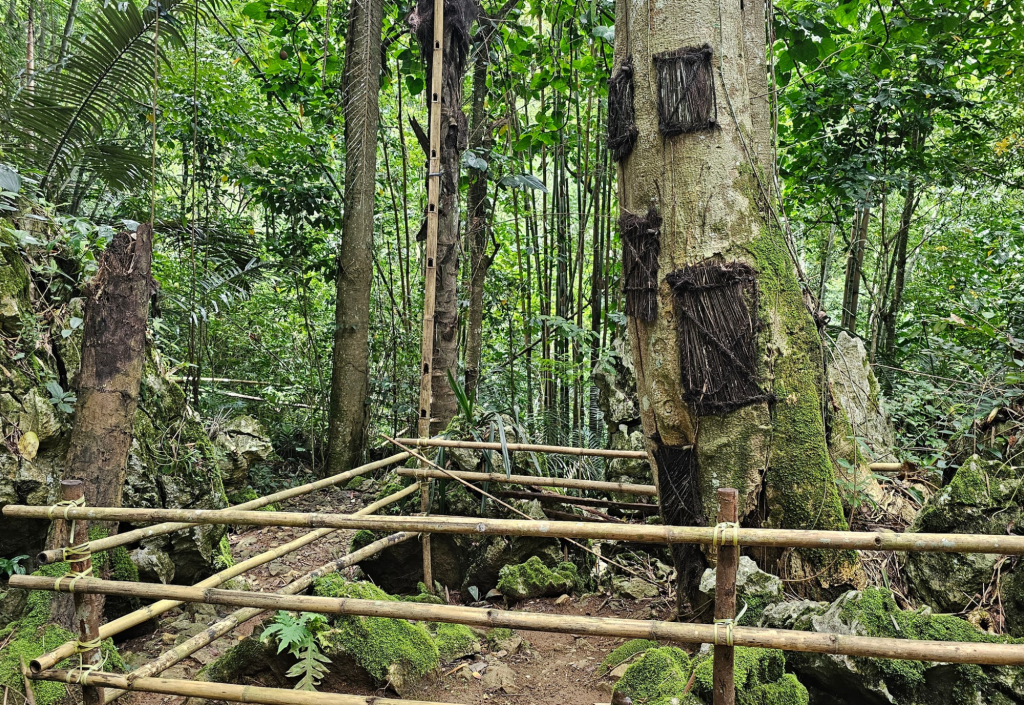
Sangalla is an interesting area to include in a cultural tour of Tana Toraja. Travellers can combine a visit to the baby tree burial sites with other traditional attractions in the surrounding region.
A private vehicle with a local driver or guide is a convenient way to explore the area, particularly for international visitors who are unfamiliar with the villages and local roads.
A possible itinerary includes:
- Kambira Baby Tree Grave: Discover the famous historical Passiliran burial tree in Tongko Sarapung.
- Turunan, Sangalla: Explore the alternative baby tree burial location and learn about its local history.
- Traditional Torajan Villages: Discover traditional Tongkonan houses and the distinctive architecture of Toraja.
- Local Cultural Attractions: Learn about Torajan funeral traditions, ancestral heritage, and traditional community life.
- The exact route and accessibility of the Turunan site should be confirmed with a local guide before travelling.
Responsible Tourism When Visiting Baby Tree Graves
Because these places are historical burial grounds, visitors should always behave respectfully.
Here are several recommendations:
- Do not touch, damage, or attempt to remove any part of the burial trees.
- Avoid climbing on the trees or standing on burial structures.
- Ask permission before photographing local residents.
- Do not make jokes or inappropriate comments about the burial tradition.
- Follow the instructions of local guides and community representatives.
- Avoid leaving rubbish around the burial grounds.
Photography is an important part of cultural tourism, but visitors should remember that these places have deep spiritual and historical significance for the local community.
Discover the Hidden Cultural Heritage of Tana Toraja
Toraja is much more than its famous funeral ceremonies, traditional Tongkonan houses, and spectacular mountain landscapes. Its cultural heritage includes many fascinating traditions that tell stories about how earlier generations understood life, death, family, and the natural world.
The baby tree burial tradition is one of the most remarkable examples of this cultural heritage.
Although Kambira Baby Tree Grave in Tongko Sarapung is the most widely recognised destination for this tradition, travellers interested in discovering more of Sangalla can also ask about the baby tree burial site in Turunan.
Exploring these places with a knowledgeable local guide offers a deeper understanding of Torajan history and provides a more meaningful travel experience.
Do not be disappointed if you have already visited Kambira or are looking for something beyond the most famous tourist attractions. There is much more to discover in Tana Toraja, and Sangalla is an excellent place to begin exploring its remarkable cultural heritage.
If you are planning a trip to Toraja, consider including both Kambira and Turunan in your cultural exploration of South Sulawesi.
Frequently Asked Questions
1. Where is the famous Kambira Baby Tree Grave located?
Kambira Baby Tree Grave is located in Tongko Sarapung, Sangalla, Tana Toraja Regency, South Sulawesi, Indonesia.
2. What is the traditional baby tree burial called?
It is called Passiliran, an ancestral Torajan burial tradition for babies who died before growing their first teeth.
3. Why were babies buried inside Tarra trees?
According to traditional Aluk Todolo beliefs, the Tarra tree symbolised a mother’s womb, while its white sap represented mother’s milk.
4. Is Kambira the only baby tree burial site in Toraja?
Kambira is the best-known site. Other locations, including Turunan in Sangalla, are also worth asking local guides about when exploring this heritage.
5. Can international tourists visit these burial sites?
Yes. International visitors can explore accessible historical burial sites with respect for local customs and guidance from the local community.
6. Is the baby tree burial tradition still practised?
The practice has largely disappeared. The surviving trees are preserved as historical evidence of traditional Torajan culture.
Hi, this is a comment.
To get started with moderating, editing, and deleting comments, please visit the Comments screen in the dashboard.
Commenter avatars come from Gravatar.